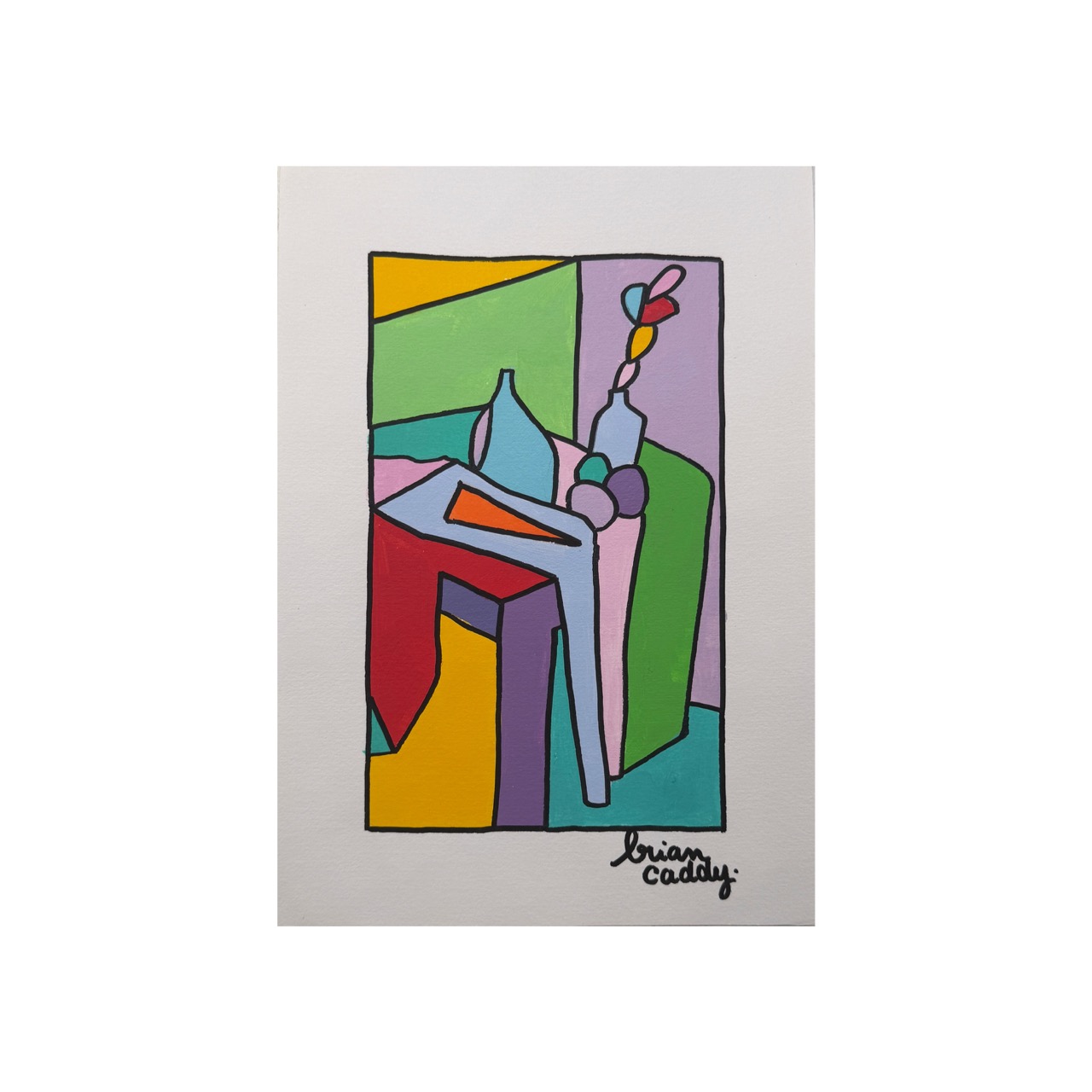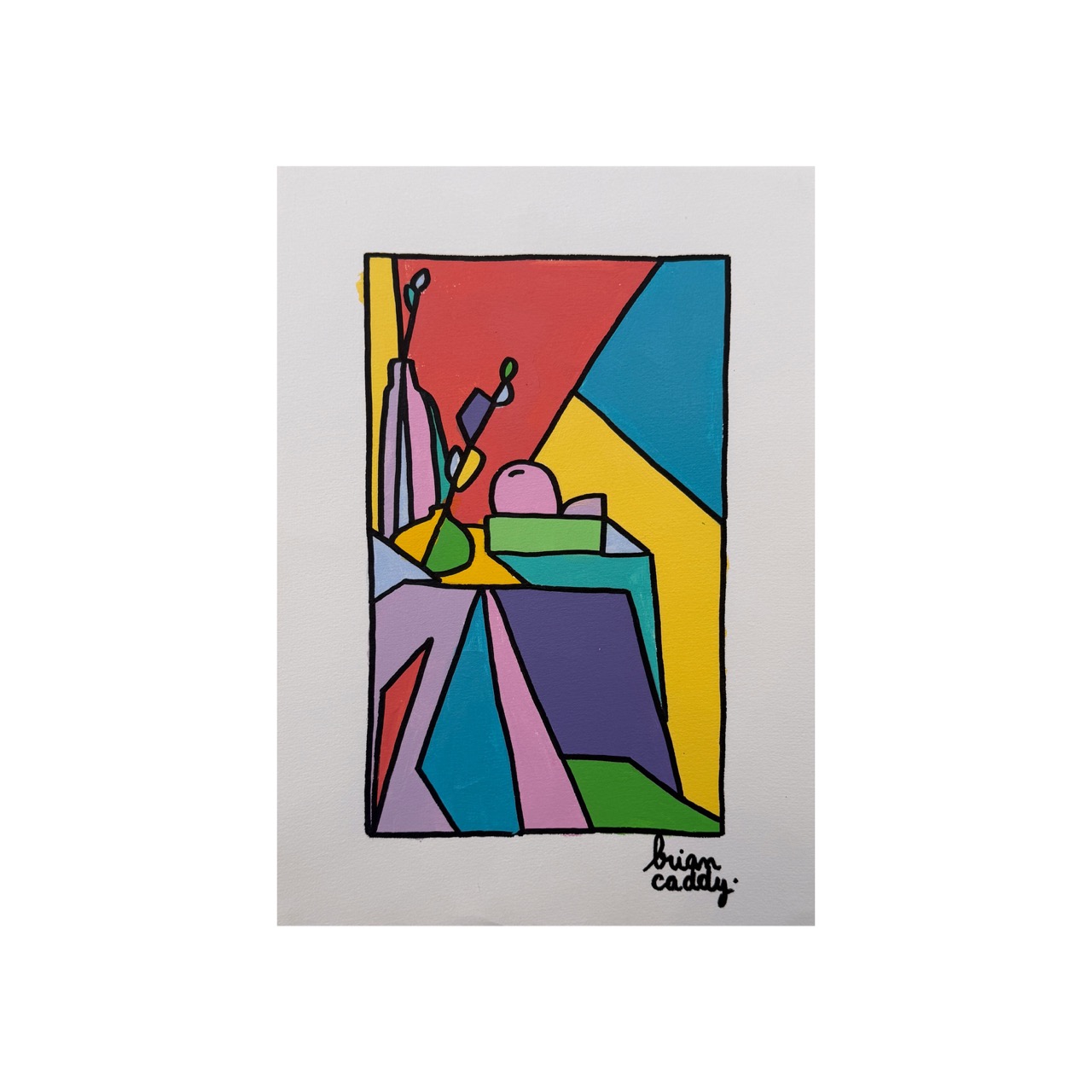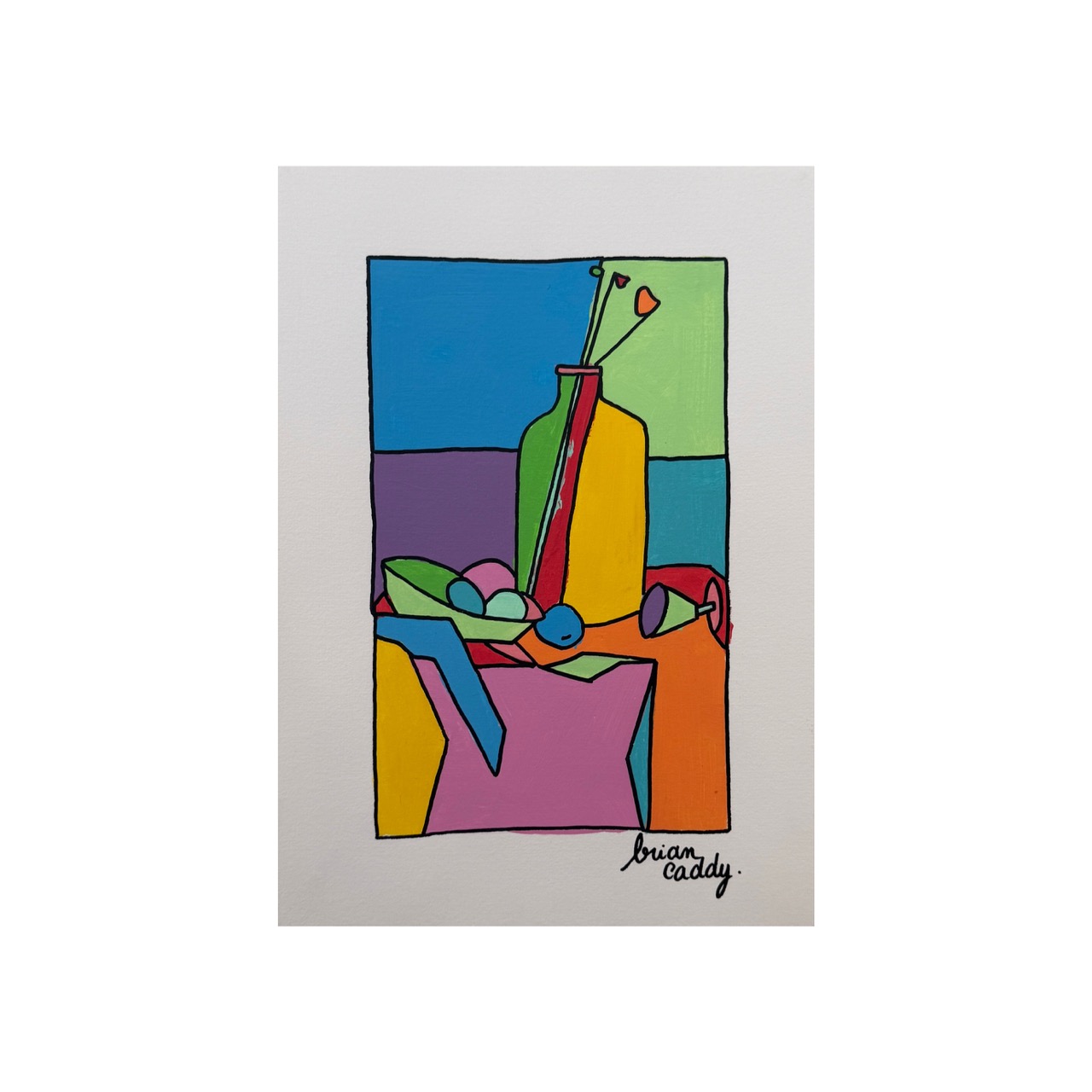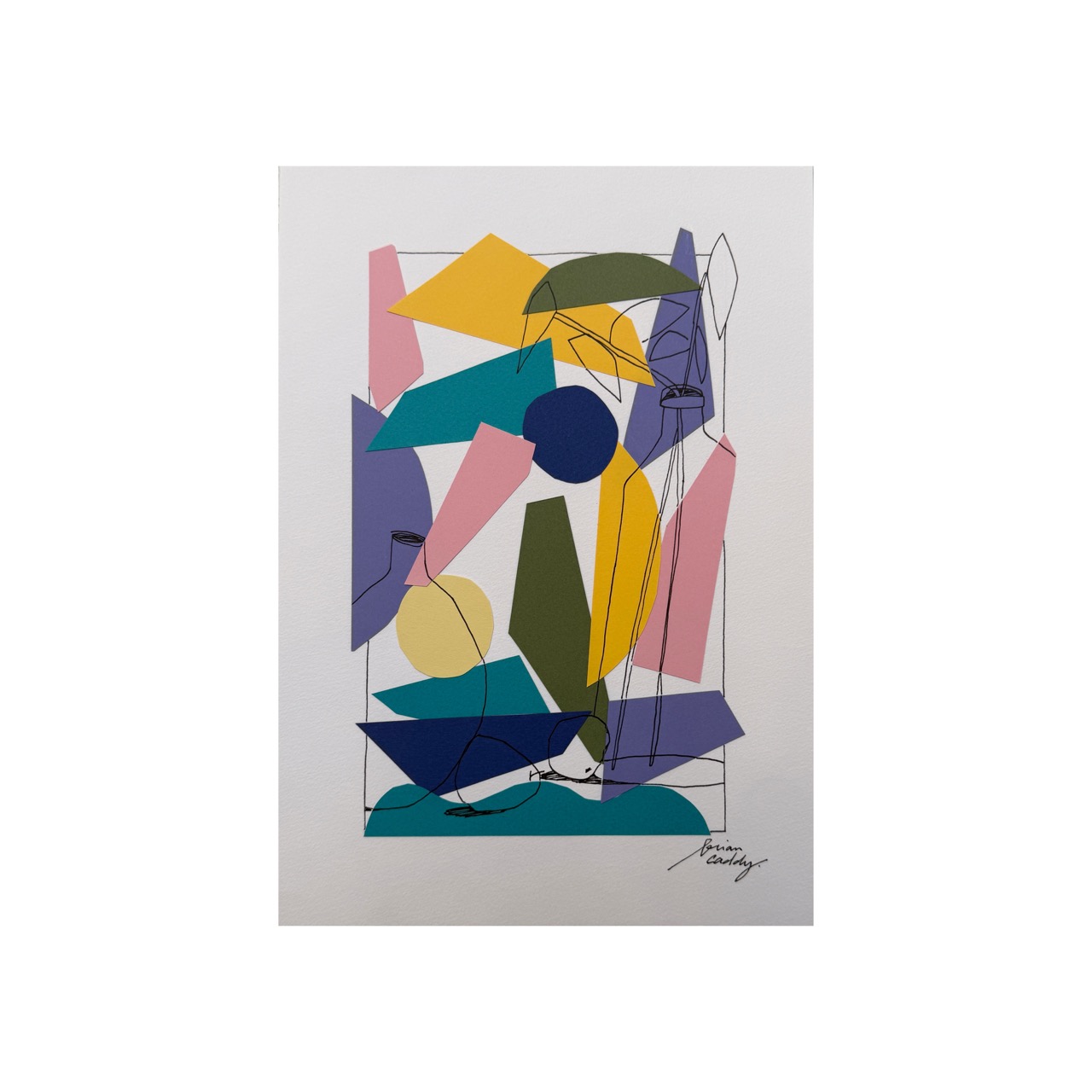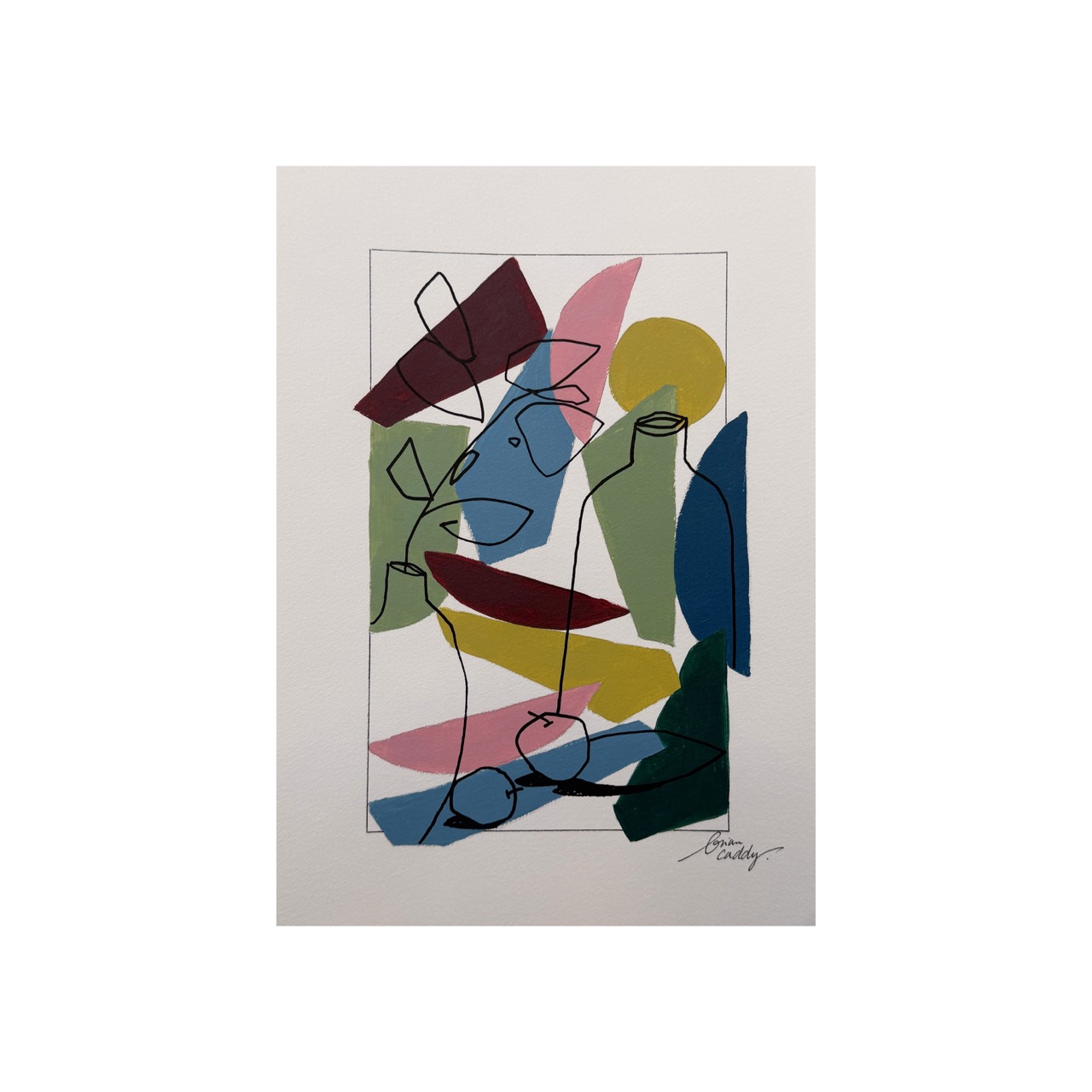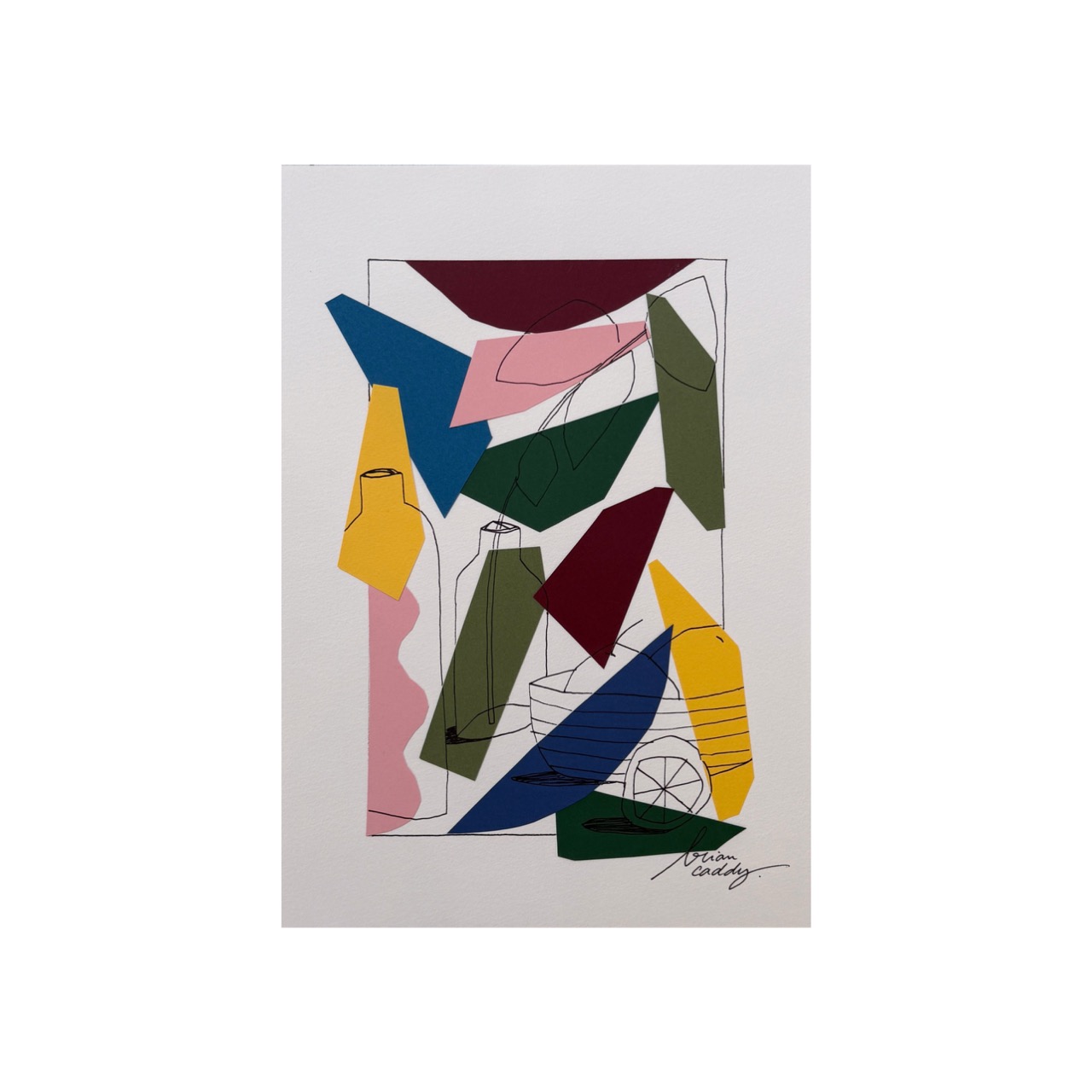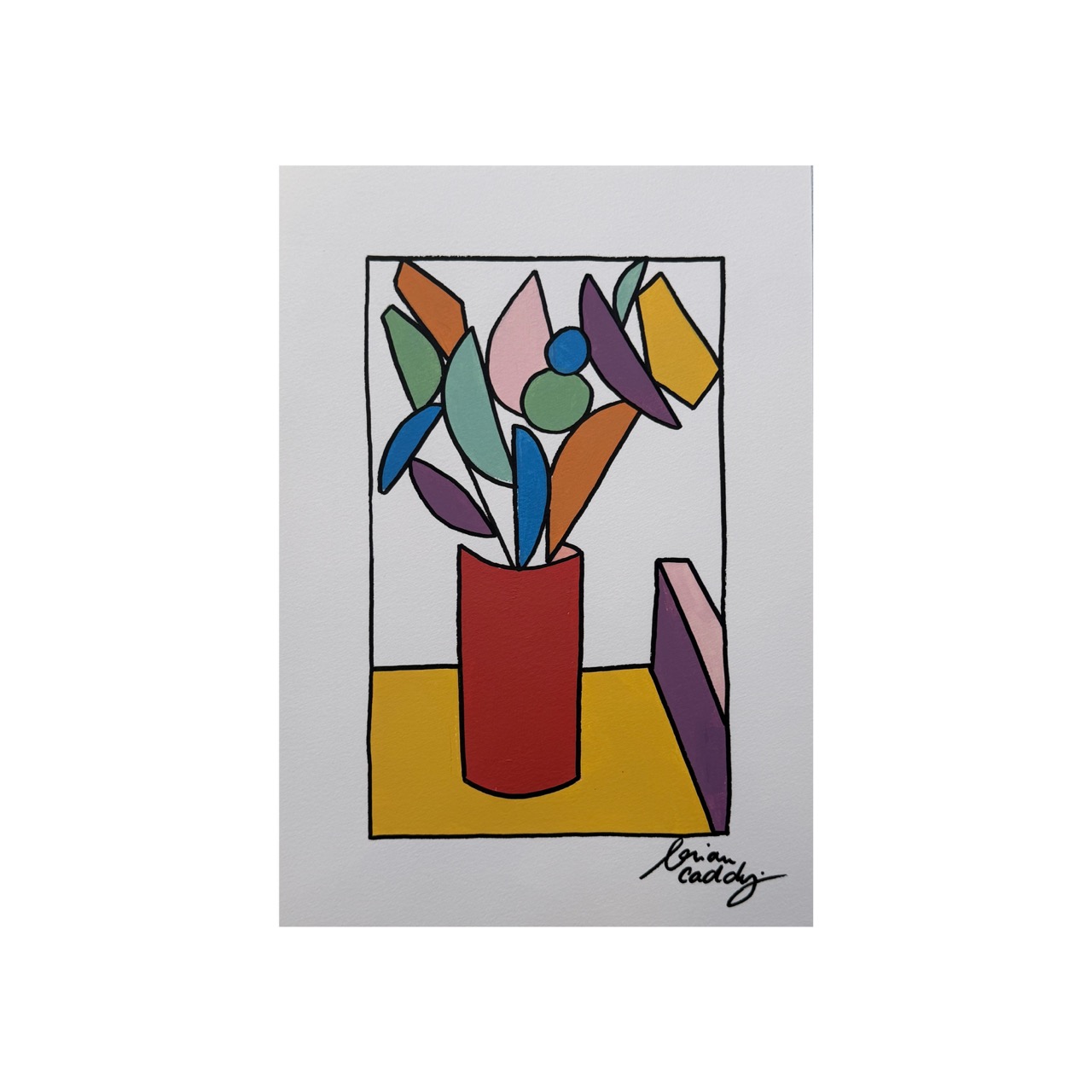
Contemporary drawing occupies an essential place in today's art world. It blends traditional techniques with modern approaches to push back the boundaries of graphic creation. There are contemporary drawings of all kinds, in pencil, ink, charcoal or even digital.
This field of art encompasses many different styles and influences. You can find figurative and abstract drawings on the art market, as well as drawings with more daring tendencies, such as street art or pop art.
Every artist explores a unique vision, playing with textures, contrasts and lines to tell a story.
Contemporary drawing is difficult to define. It represents a body of graphic work produced from the 20th century to the present day. It differs from the classical currents in that its approach is freer and more experimental. Artists are no longer content to reproduce reality, but seek to express a vision, an idea or an emotion.
Contrary to popular belief, contemporary drawing is not limited to sketches or preparations for paintings. It is an art form in its own right, where artists play with supports and media to explore new perspectives. The mediums and supports used for contemporary drawing are no longer limited to paper and pencil, making it difficult to define.
The arrival of digital tools has also opened up new possibilities, blending traditional and digital techniques, enabling artists to innovate even further.
Although drawing has always existed, it has long been perceived as a preparatory art form. Indeed, it was initially used to elaborate more accomplished works such as painting or sculpture. However, from the 20th century onwards, with the emergence ofmodern art, drawing began to be recognized as a discipline in its own right.
Artists such as Pablo Picasso and Henri Matisse introduced a new vision of drawing. These artists favored spontaneity and direct expression. Then, with the emergence of abstract and new art forms, contemporary drawing evolved to incorporate a variety of influences, from street art to minimalism.
Today, designers are exploring innovative formats, mixing different techniques and media, from classic paper to wall installations, proving that drawing is a living, constantly evolving art form.
Contemporary drawing comes in many distinct styles. Each brings a unique approach to drawing. Here are some of the main types of drawing found today:
The geometric design is characterized by compositions based on simple geometric shapes such as triangles, circles and rectangles. This style emphasizes balance and symmetry.
In the abstract drawingforms and lines are freed from any figurative representation. The aim is to express an emotion or sensation through dynamic, intuitive compositions.
The minimalist design is all about simplicity. Few strokes, uncluttered compositions and an aesthetic that focuses on the essential. This style is very much in vogue in contemporary art for its pared-down approach.
Inspired by the pop art movement pop art design takes elements from popular culture, advertising and media icons. Flashy colors and sharp outlines are often used to catch the eye.
Derived from graffiti and urban art, the street art blends different visual influences. It's often done with markers. It is generally spontaneous.
The naive drawing is a style in which forms are deliberately simplified, with a childlike, colorful approach. It evokes a vision of the world full of spontaneity and authenticity.
Inspired by dreams and the unconscious, surrealist surrealist drawing mixes unexpected elements to create strange, poetic compositions. Artists such as Salvador Dalí and René Magritte popularized this style, using drawing as a means of expressing surrealist art.
Unlike abstract drawing figurative drawing represents reality. It can be highly detailed, realistic or stylized, but its aim is to capture an identifiable scene, character, emotion or landscape.
Contemporary drawing is an increasingly popular artistic investment option, especially among professionals.
Here's why it attracts professionals and companies :
Galerie Le Container showcases a varied selection of contemporary drawings, as well as other art forms:
Thanks to this diversity, the gallery offers visitors a real immersion in the world ofcontemporary art.
|
Pay with Alma in 2, 3 or 4 instalments up to €2,000
|