Photography is much more than just a visual art. It's a unique way of capturing the moment, freezing emotions and telling stories. Since its invention, it has evolved to become an indispensable means of expression, both in the artistic realm and in our everyday lives. From contemporary photography to more specific styles such as street art or black-and-white landscapes, this art form offers an infinite diversity that appeals to amateurs and professionals.
Discover all the works of photography offered by Galerie le Container, online or on site.
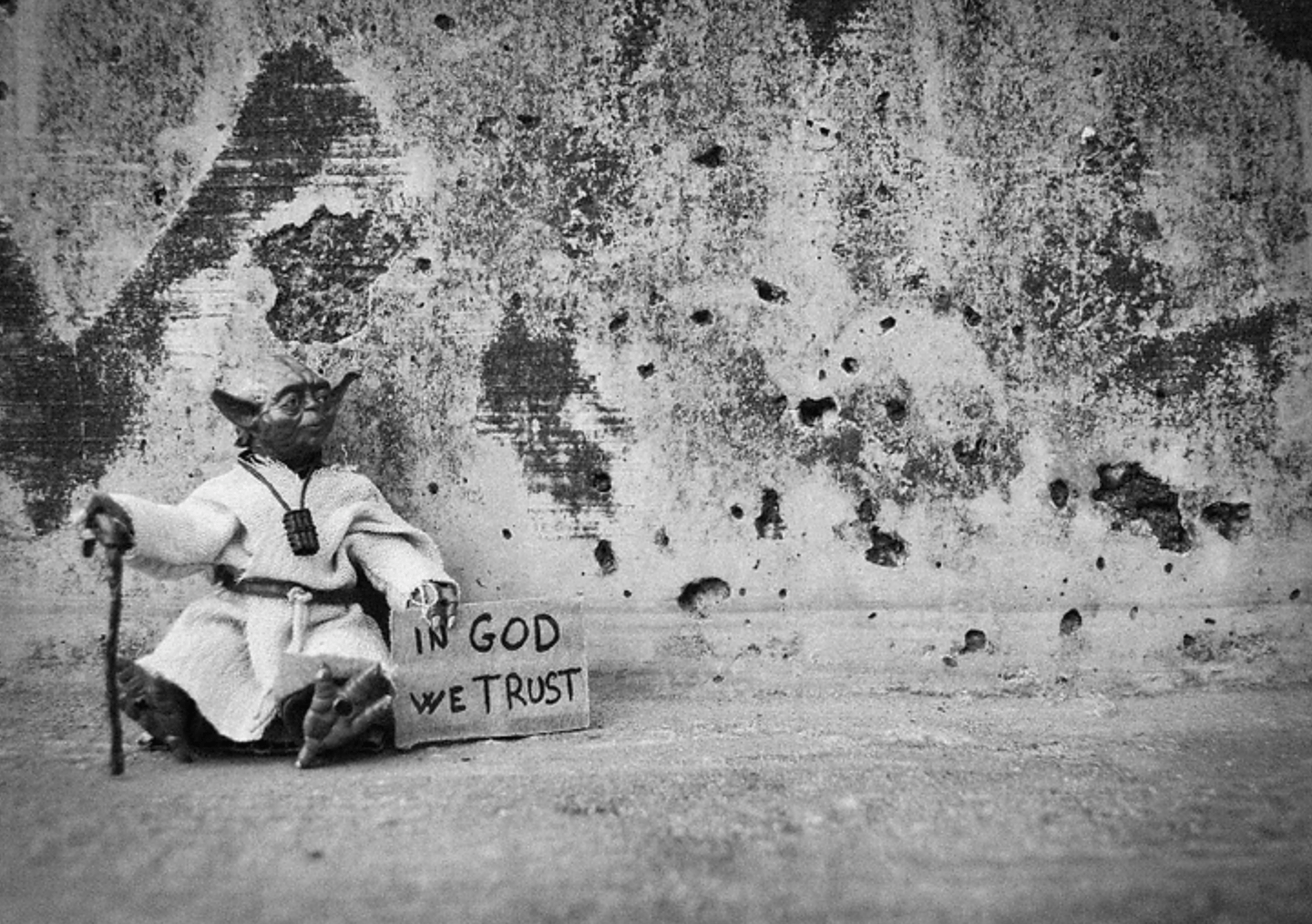
Photography comes in a multitude of genres. Each with its own language and unique way of capturing the world. Among the most captivating styles, surrealist surrealist photography invites you on a journey into the imaginary. It uses special techniques to blend dream and reality. This genre plays with symbols and illusions.
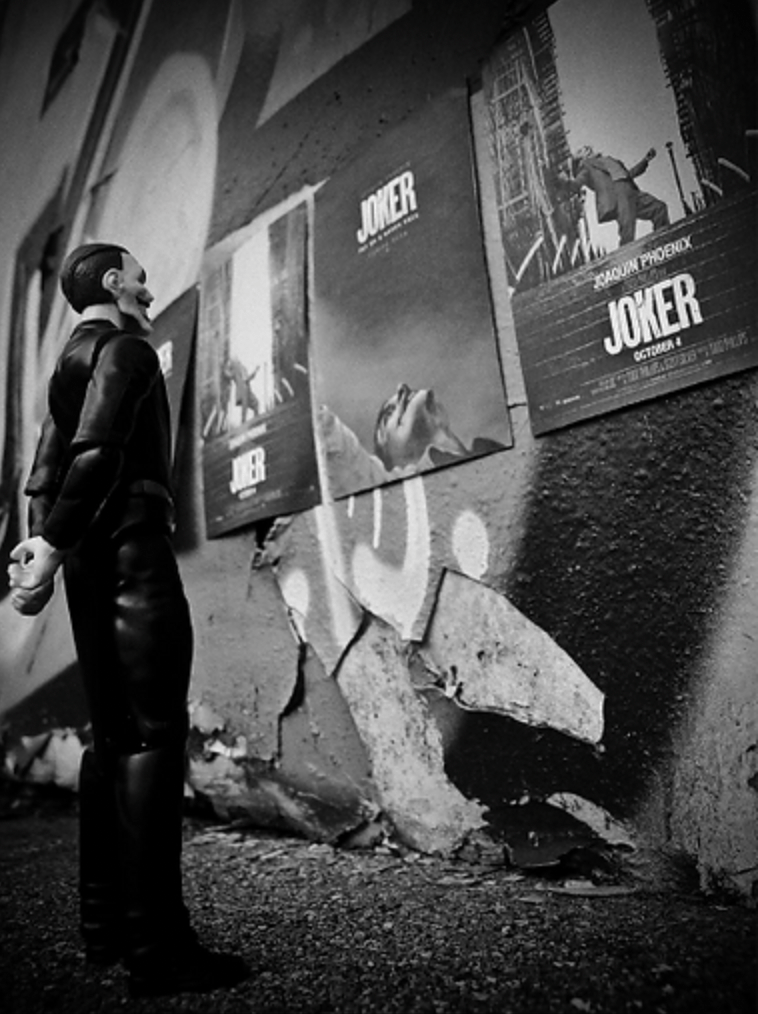
In contrast, contemporary contemporary photography reflects our times through innovative and often conceptual approaches. Contemporary artists use this art form to question societal issues or simply to push back the boundaries of creativity.
The figurative photographyfocuses on the faithful representation of real subjects. Whether portraits, scenes of everyday life or landscapes, it aims to tell accessible, timeless stories.
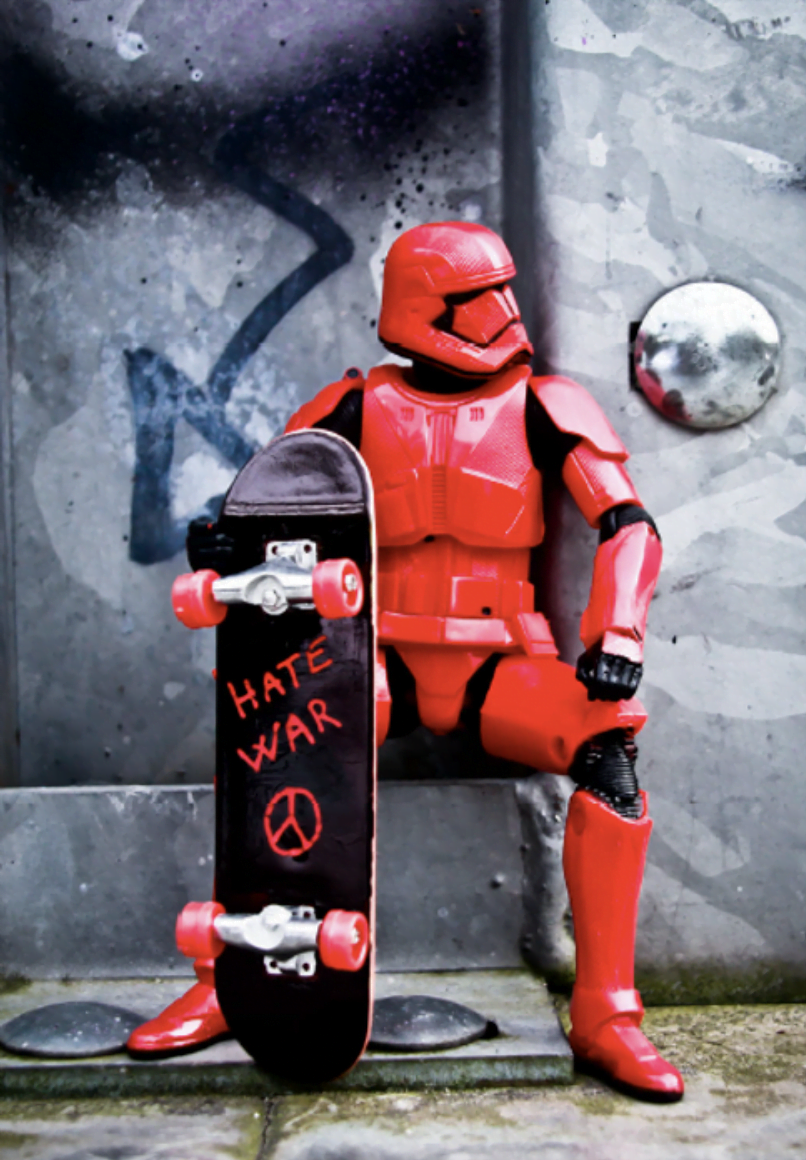
Finally street art photography aims to document urban art in its natural context. From murals and hidden graffiti to urban landscapes. This genre allows us to capture the effervescence of cities, and highlight an often ephemeral art form.
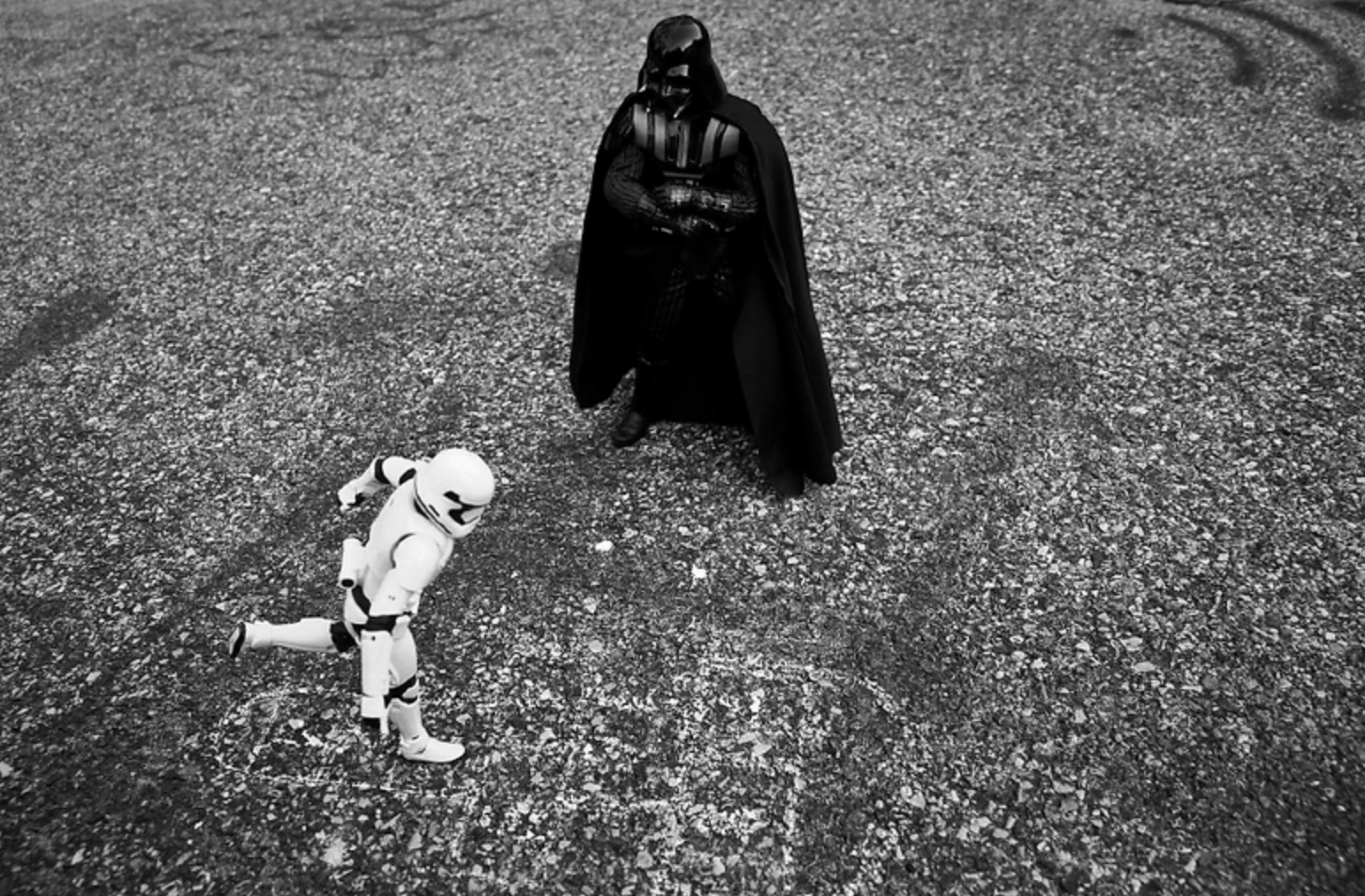
Photography, as a universal art form, offers a multitude of themes for capturing and exploring a variety of subjects. Black & white landscape photography is distinguished by its timelessness. Stripped of the distraction of color, it highlights contrasts, textures and the play of light to reveal nature in its rawest form.
Another popular theme is animal photography. This theme requires a certain patience and technical skill. Whether it's a stolen moment in the wild or a more intimate portrait, these images highlight the diversity and beauty of the animal world.
Still-life photography, on the other hand, focuses on meticulously thought-out compositions, where every element - objects, shadows and light - plays an essential role. This genre is often used to explore concepts such as the transience of time or the beauty of simple things.
Finally, nature photography broadens the horizon, encompassing everything from vast landscapes to the subtle details of a flower.
Photography is much more than just a tool for capturing images. It has become a true art form in its own right. Since its beginnings in the XIXᵉ century, photography has established itself as a powerful means of expression, at the crossroads of technique and creativity.
Unlike other art forms, photography has the unique ability to freeze the moment with striking precision, while leaving room for interpretation. A photograph may capture the raw beauty of a landscape, the intensity of a look or the complexity of an urban scene, but it's the photographer's eye that makes it a work of art. Every decision - framing, lighting, composition - reflects a personal vision and engages the viewer's emotions.
As an accessible art form, photography has also democratized artistic creation. It enables everyone, amateur or professional, to tell a story. Whether through genres such as contemporary photography, street art or black-and-white landscapes, photography continues to push the boundaries of art by revealing unprecedented perspectives.
Mastering photography is based on a combination of essential techniques and artistic practices. Composition, for example, is one of the essential fundamentals. Knowing how to balance elements in a frame, play with guidelines and use the rule of thirds helps guide the viewer's gaze and make an image captivating.
Light management is just as crucial. Whether in natural or artificial light, the photographer must know how to manipulate shadows and reflections to sublimate his or her subject. Exposure - a combination of aperture, shutter speed and ISO sensitivity - plays a key role in achieving a well-balanced photo.
Post-production is another important step. With today's digital tools, retouching an image is more than just correcting imperfections: it's a way of asserting an artistic vision. Adjusting colors, enhancing contrasts or cropping a photo are all techniques that can be used to magnify a shot.
Finally, regular practice is essential. Photographing different subjects, experimenting with angles and trying out new ideas helps you refine your style and develop a unique eye. Every shot becomes an opportunity to learn and express yourself.
|
Pay with Alma in 2, 3 or 4 instalments up to €2,000
|