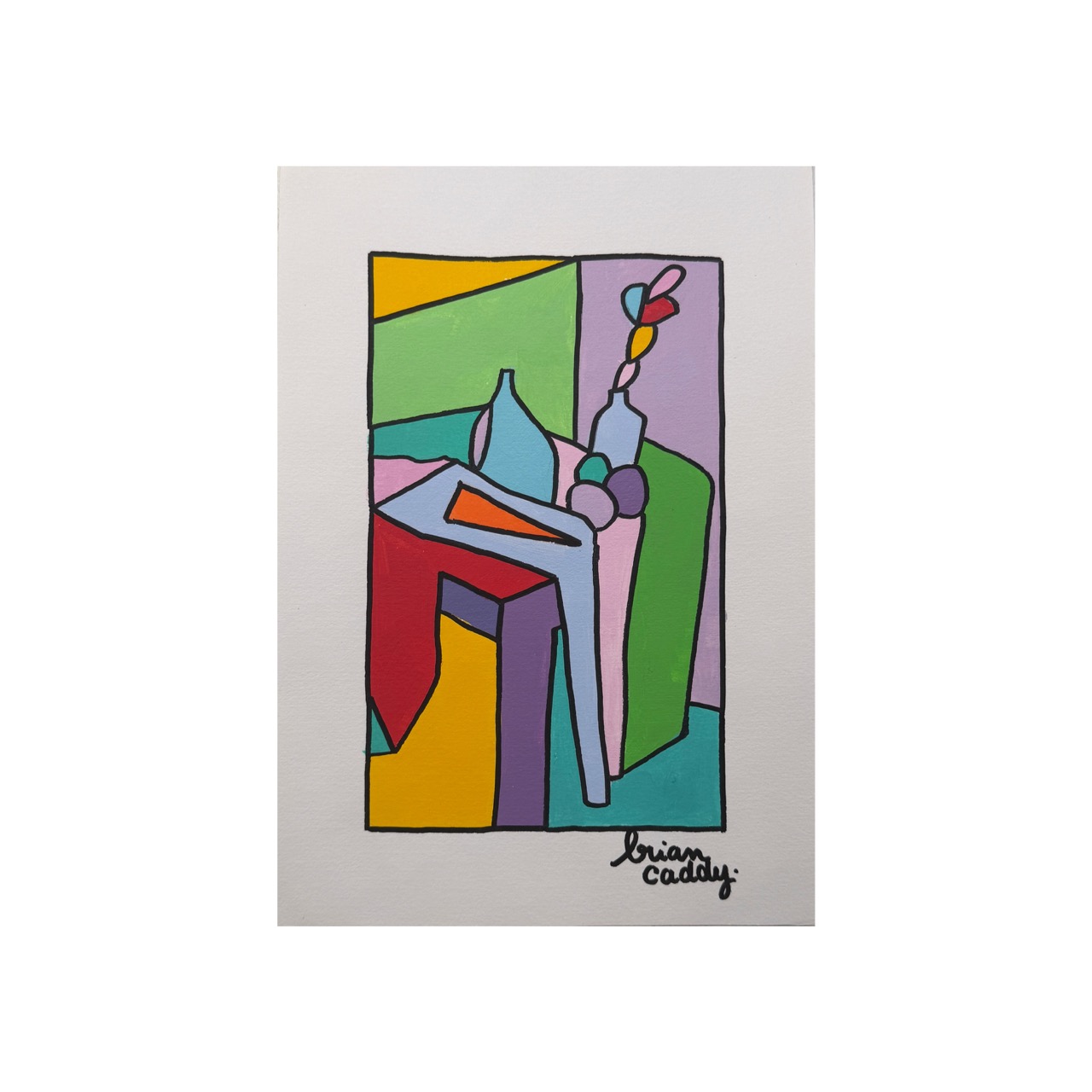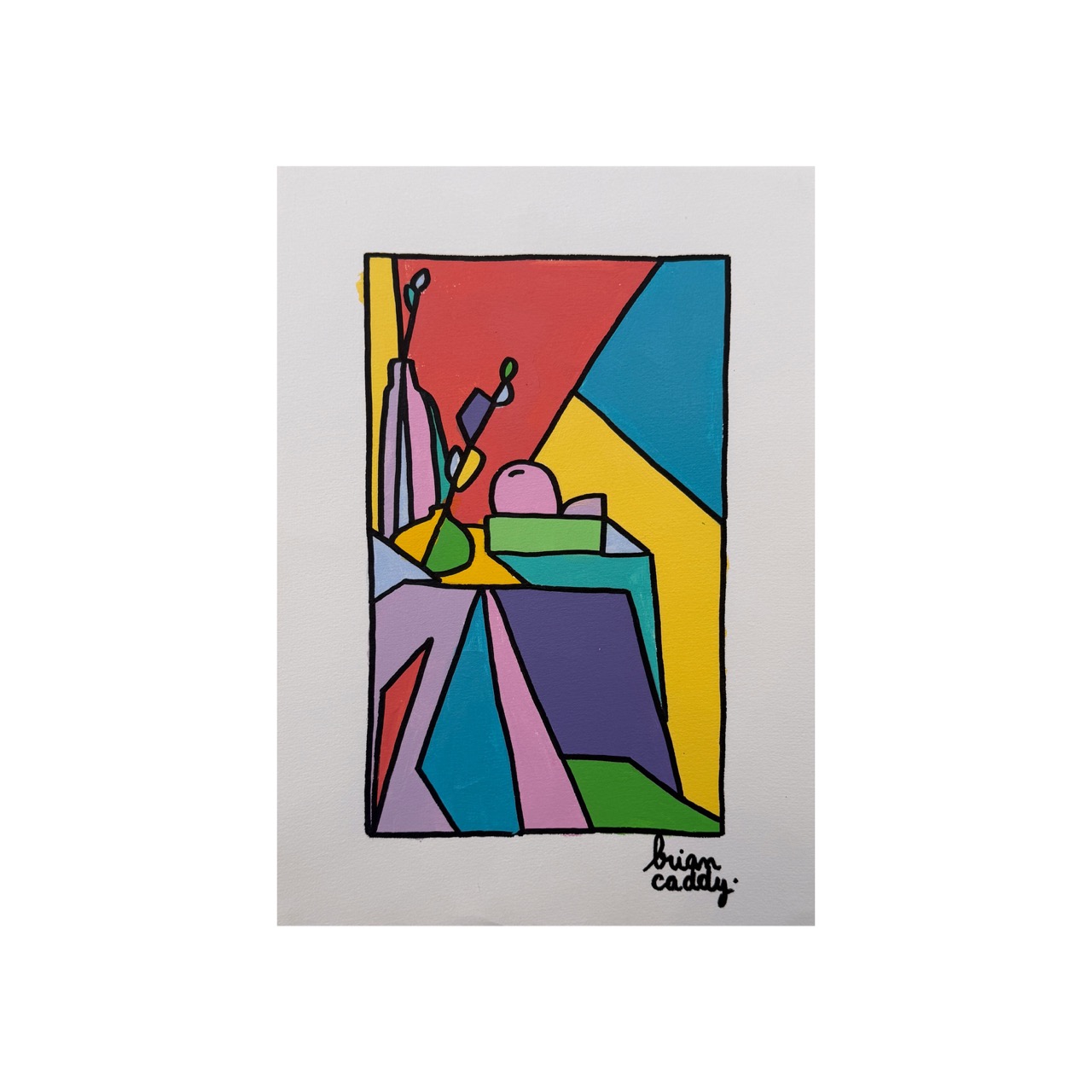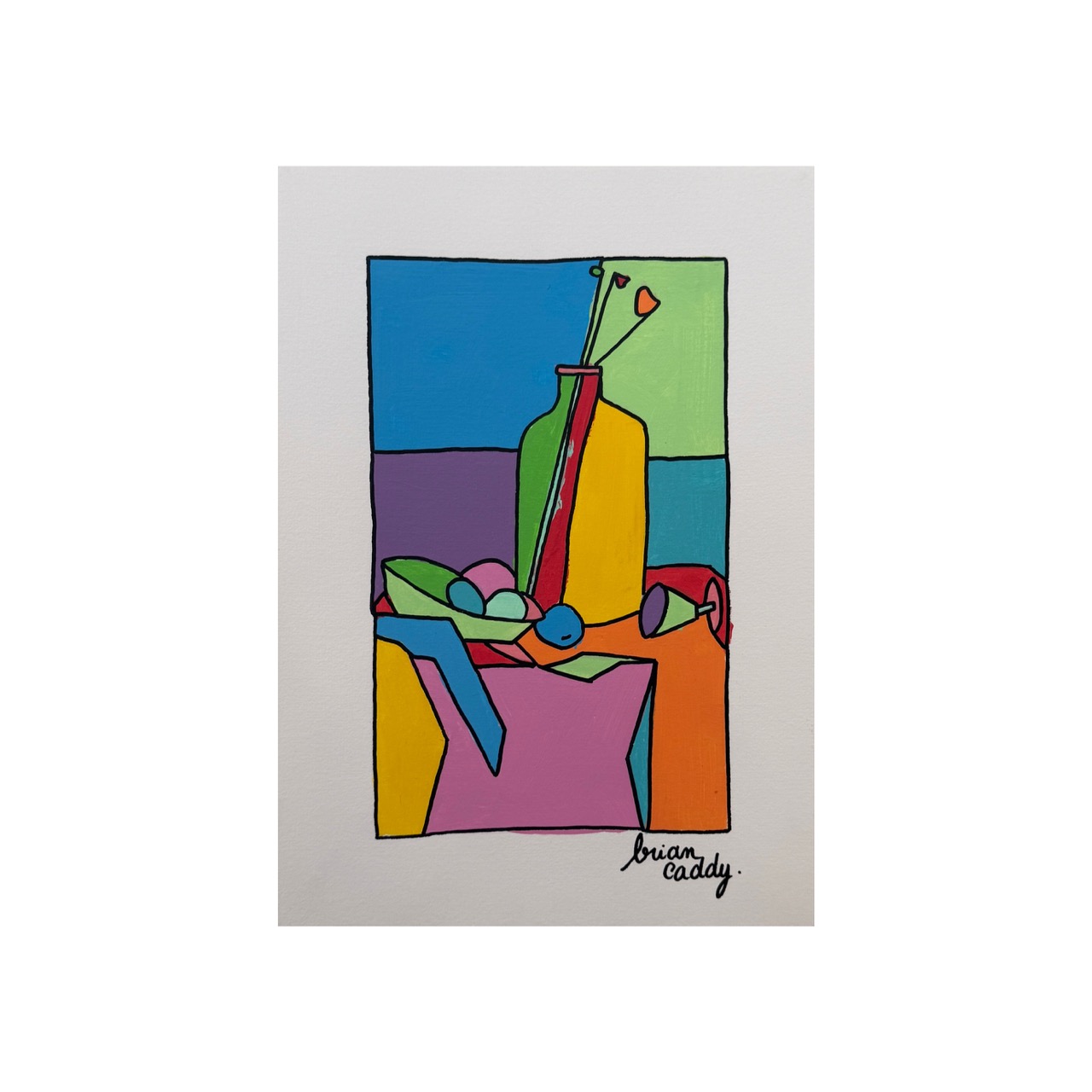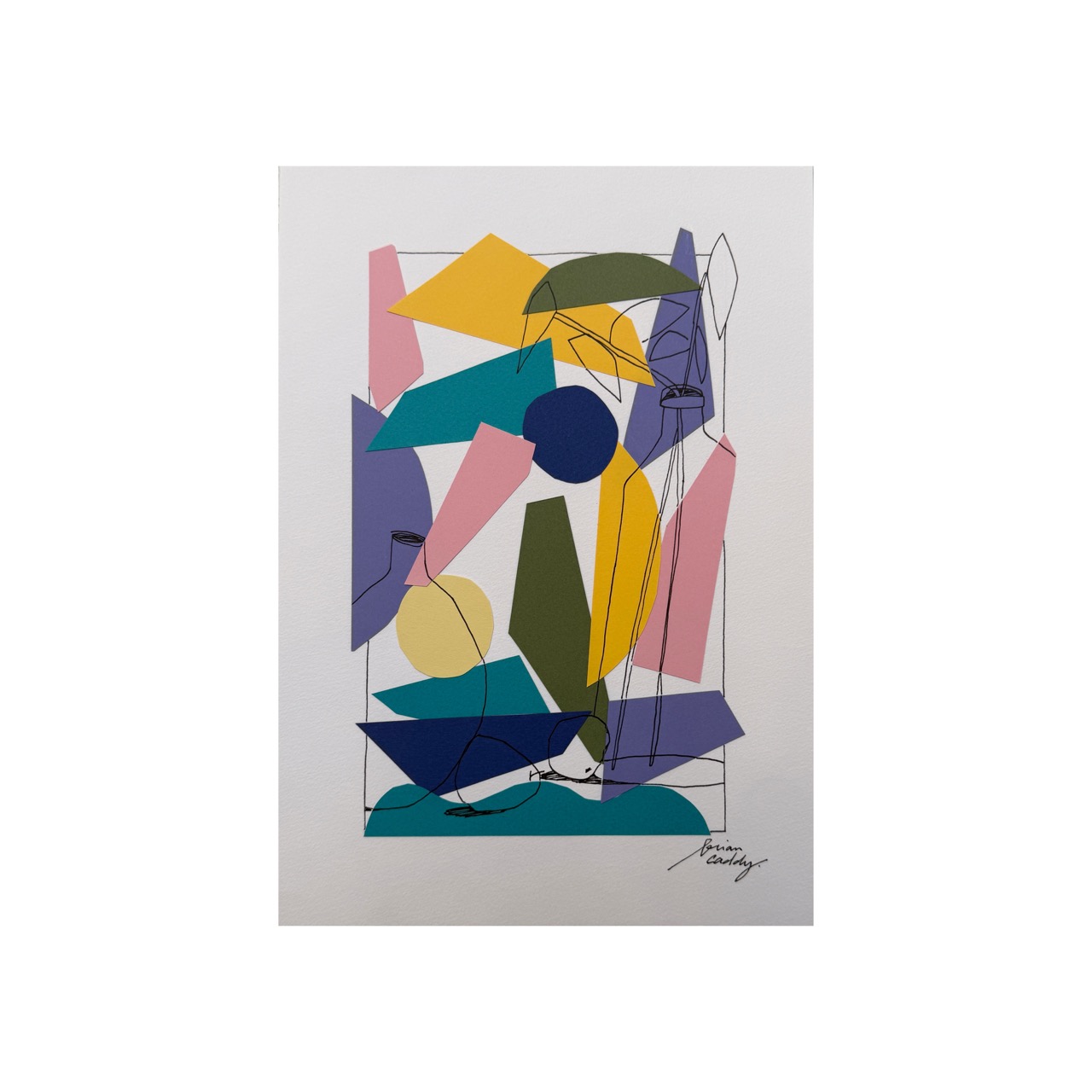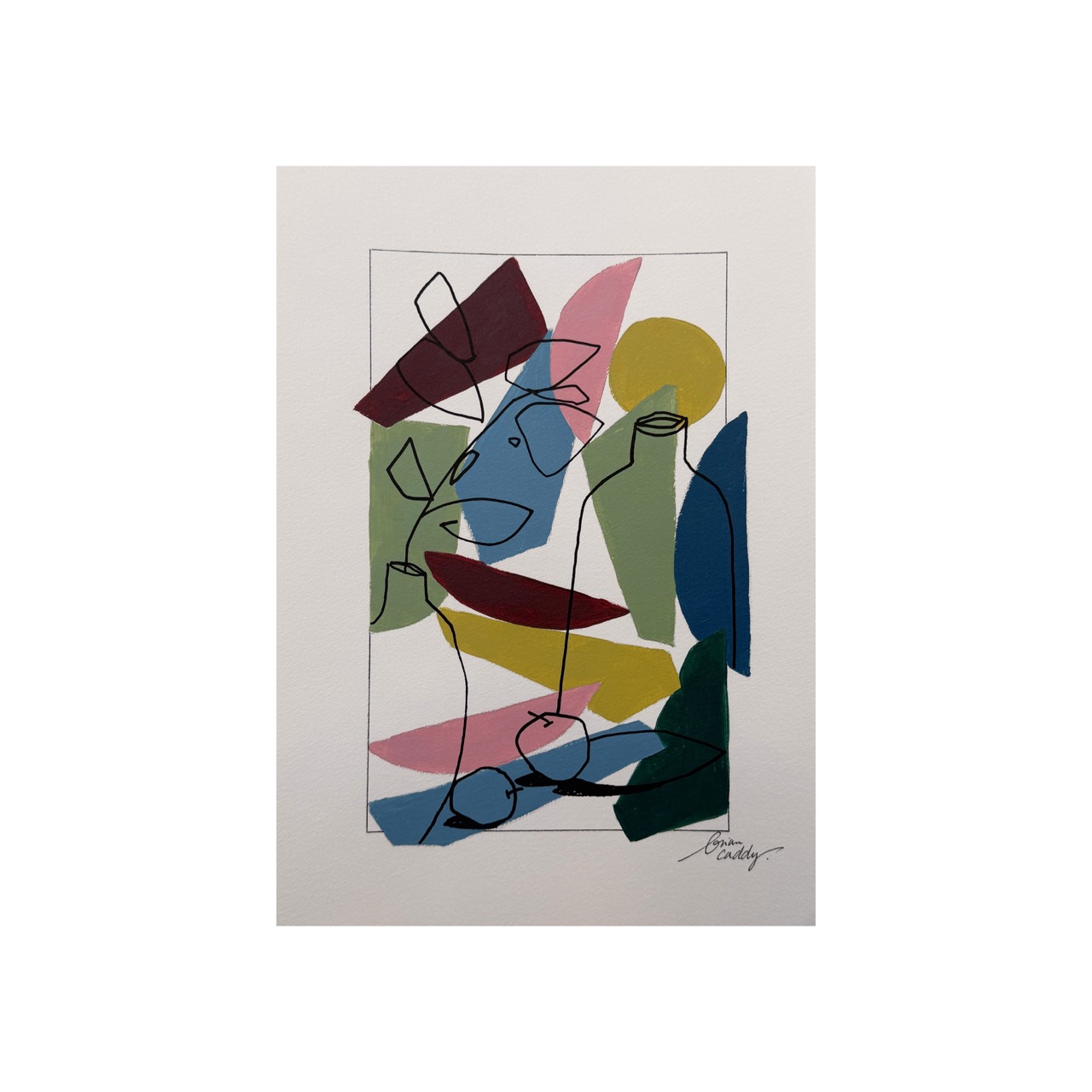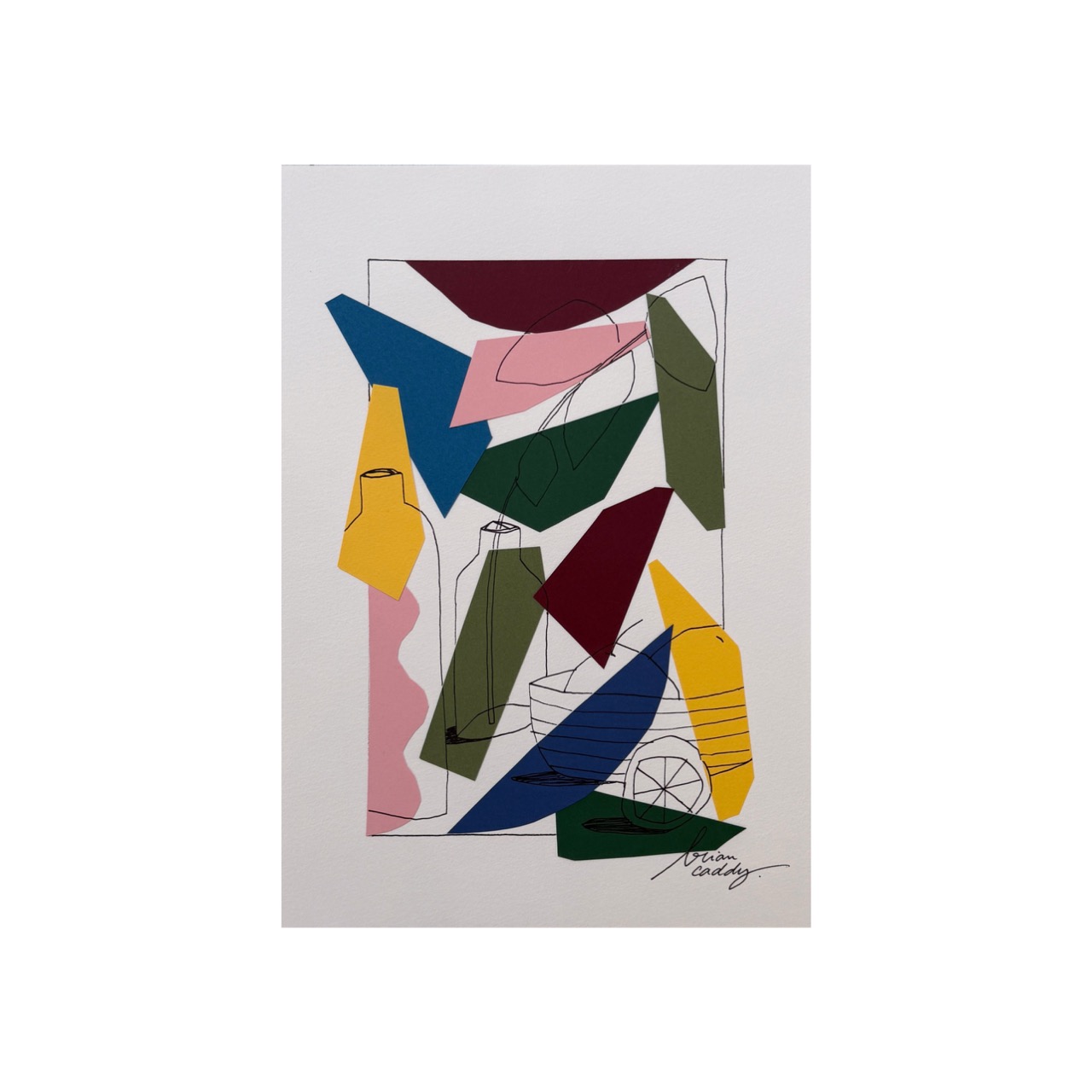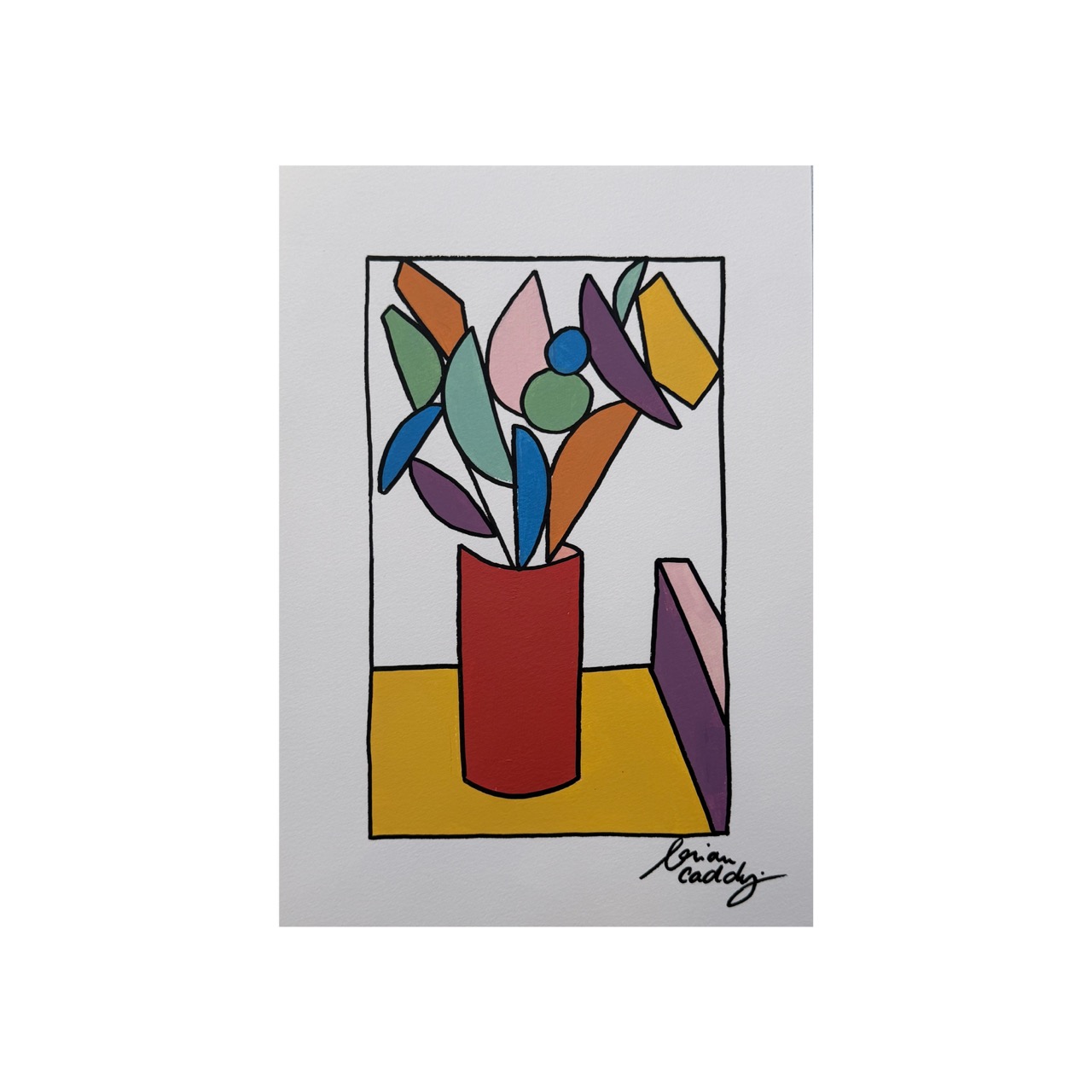
Figurative drawing is one of the oldest and most universal forms of artistic expression. Unlike abstract drawing, which is detached from the representation of reality, figurative figurative drawing seeks to capture the visible world. Figurative drawings include portraits, landscapes, scenes of life and compositions inspired by nature.
In the spectrum of contemporary drawing several approaches coexist, such as surrealist drawingdrawing, which plays on the imaginary and dreams, and pop artwhich transforms elements of popular culture. We also find geometric drawing in which certain artists reinterpret reality in stylized form. The minimalist drawing reduces strokes to their simplest expression. Finally street art and naive drawing bring a spontaneity and raw energy that enrich today's artistic landscape.
At the Galerie Le Containerfigurative drawing is exhibited alongside other art forms such as paintingpainting sculptureand photographycontemporary contemporary drawings and art objects. Our aim is to show the great diversity and richness of contemporary and street art.
Figurative drawing dates back to the first traces left by mankind, with the cave paintings of prehistoric times. Over the centuries, it has evolved in line with styles and techniques, from ancient frescoes to Renaissance masterpieces and the experiments of modernism.
In the 20th century, asabstract art took off, many artists continued to explore figurative drawing, looking for new ways to interpret reality. Today, it takes on a multitude of approaches, incorporating elements of pop artdrawing surrealist drawing or street art.
Figurative drawing is based on several key principles that enable it to represent the essence of reality in a realistic or stylized way:
Figurative drawing isoften used to tell a story or convey a strong emotion. These elements enable each artist to give his or her work its own identity.
Although distinct, figurative drawing dialogues with other artistic drawing styles contemporary drawingdrawing styles, influencing and drawing inspiration from different approaches. Figurative drawing can also be influenced by geometric drawing. Indeed, some figurative artists simplify forms by using angular, balanced structures. However, figurative drawing cannot be mixed with abstract drawing. Some figurative drawings, however, flirt with the abstract by stripping away detail to retain only the essential. Nevertheless, you can always recognize the subject in a figurative drawing, unlike an abstract, which is purely creative and devoid of any representation of reality. We can sometimes contrast minimalist drawing with figurative drawing. Minimalism tends towards a maximum reduction of strokes, while figurative drawing often focuses on detail and visual complexity. We could also mention theintegration of pop art drawing. Many contemporary figurative artists take up the codes of pop art to modernize their compositions. Street art is also a form of figurative drawing. Street art often incorporates portraits and human figures into its murals. There are also artists who mix figurative elements with surreal touches. surrealistic to create more intriguing compositions. Sometimes, the figurative adopts a simplified, spontaneous line that recalls the aesthetics of naive drawing.
These interactions show that figurative drawing is not static, but constantly evolving.
At the Galerie Le Containerseveral artists work around figurative drawing and other art forms. Each with his or her own universe and way of interpreting the real or the abstract.
Our contemporary artists: Francois Bel, Lise Gonthier and Antonio Barahona.
Our street art artists : Petite Poissone, L'Atlas artiste, Golif and c215.
Figurative drawing, exhibited alongside painting paintingpainting sculptureand photographycontemporary contemporary drawings and objets d'artThese are all part of a varied and dynamic artistic offering.
Figurative drawing is a sure bet for art lovers, collectors and professionals alike. professionals. Investing in figurative drawings offers several advantages:
|
Pay with Alma in 2, 3 or 4 instalments up to €2,000
|