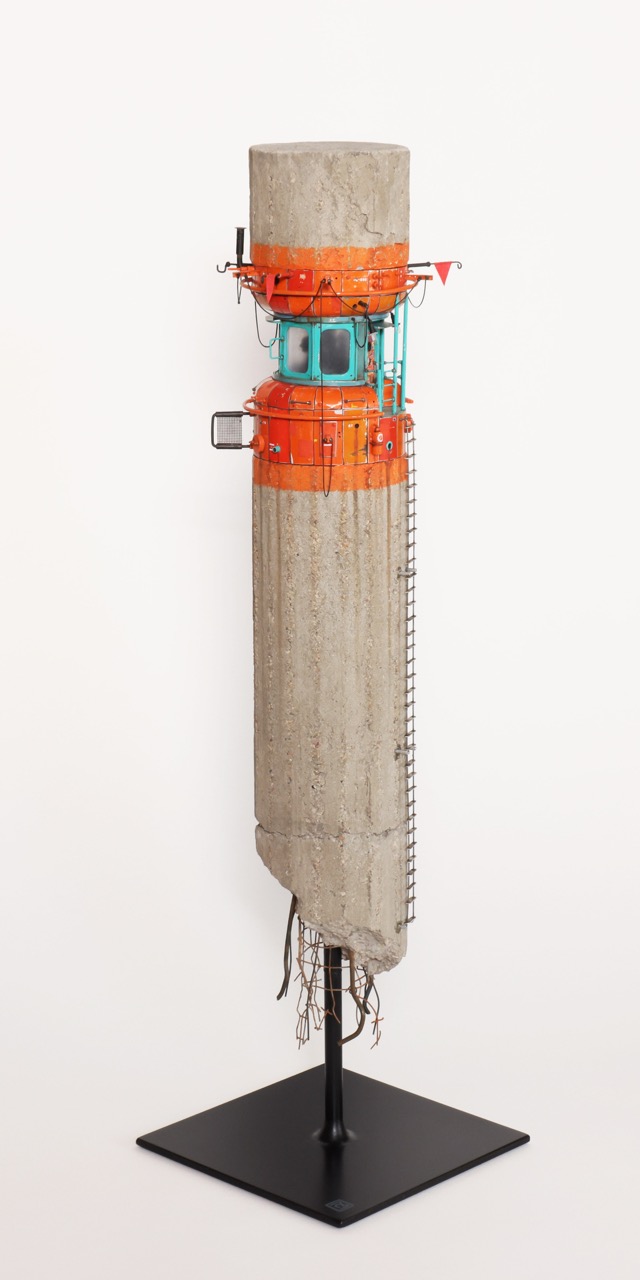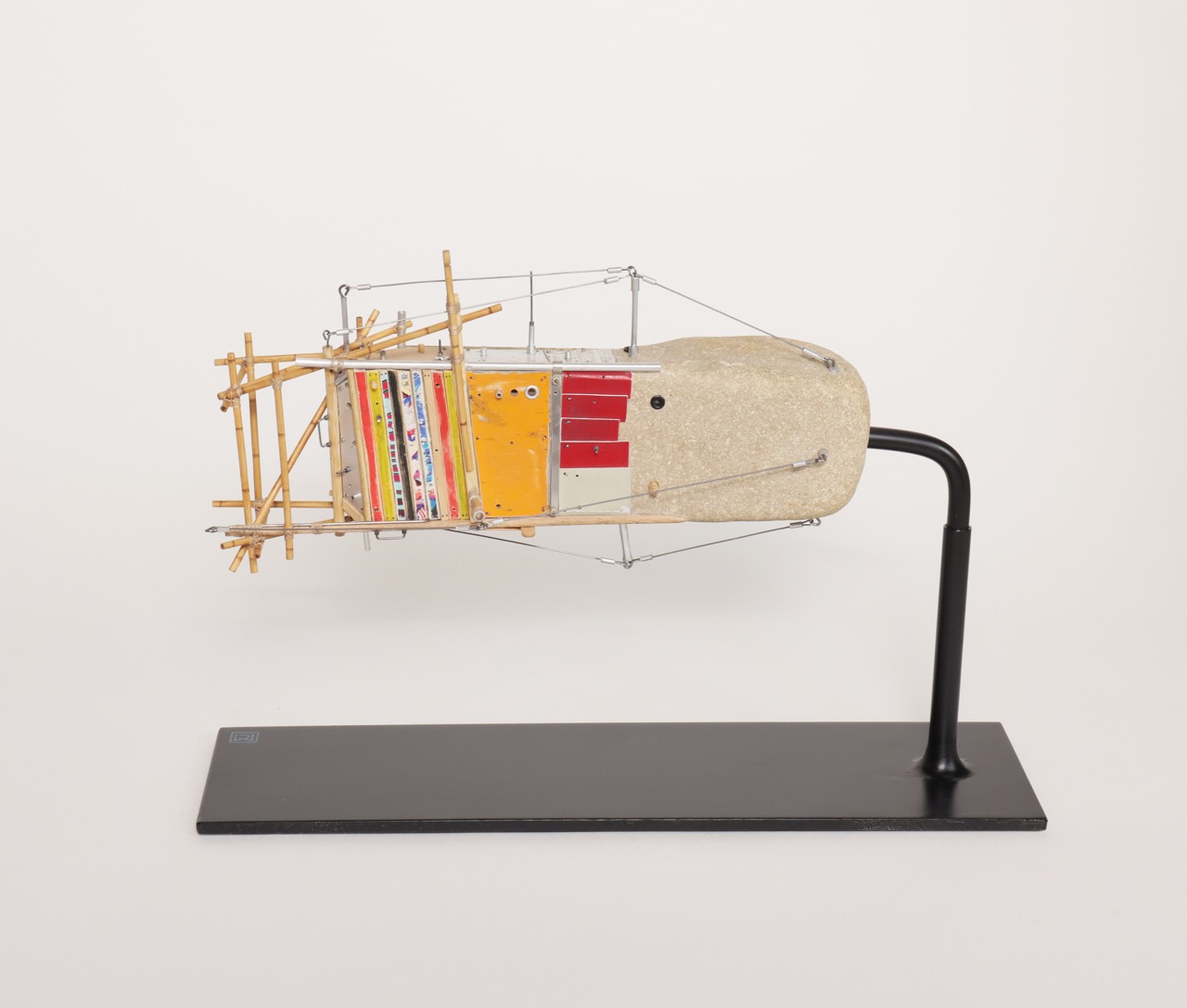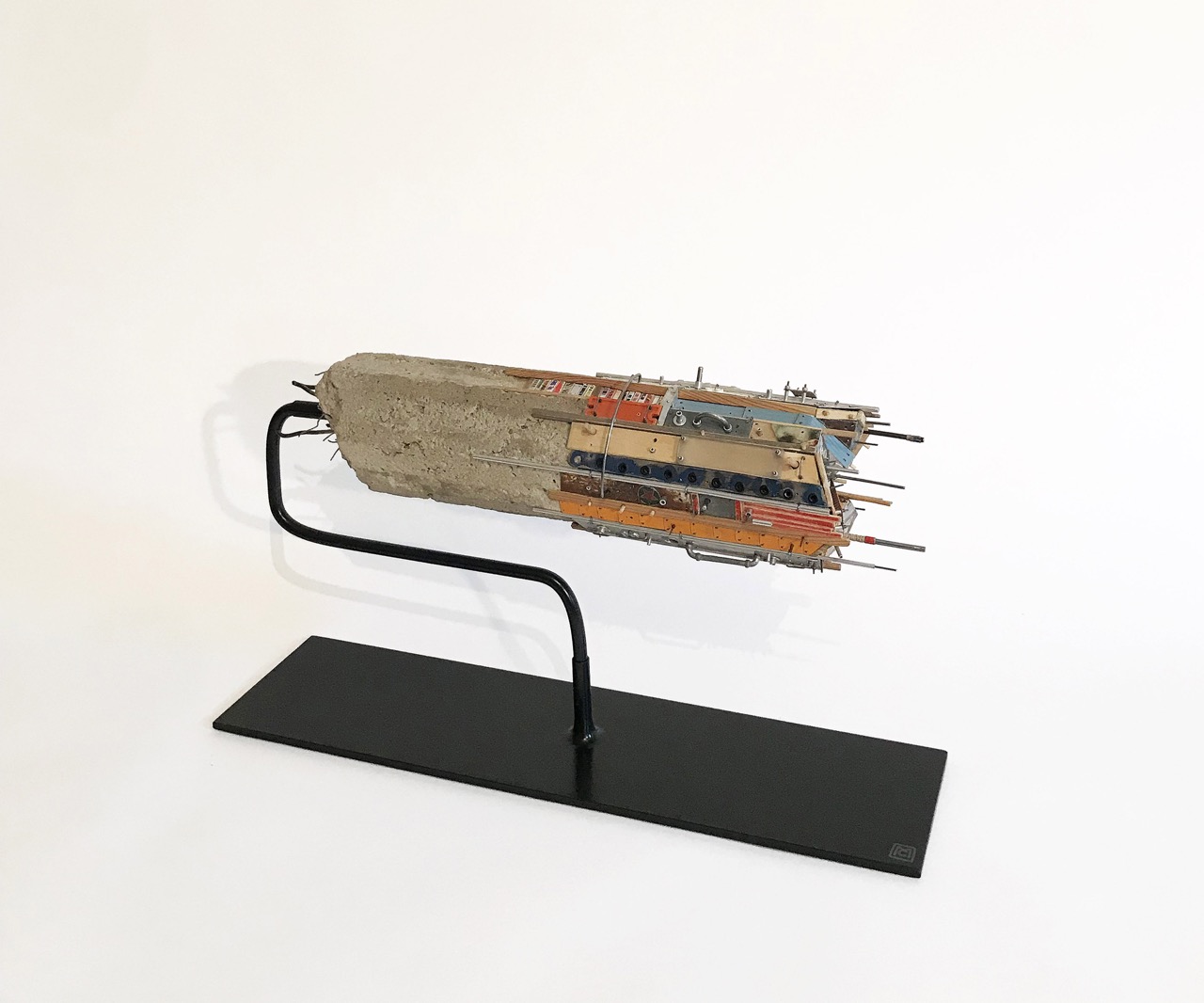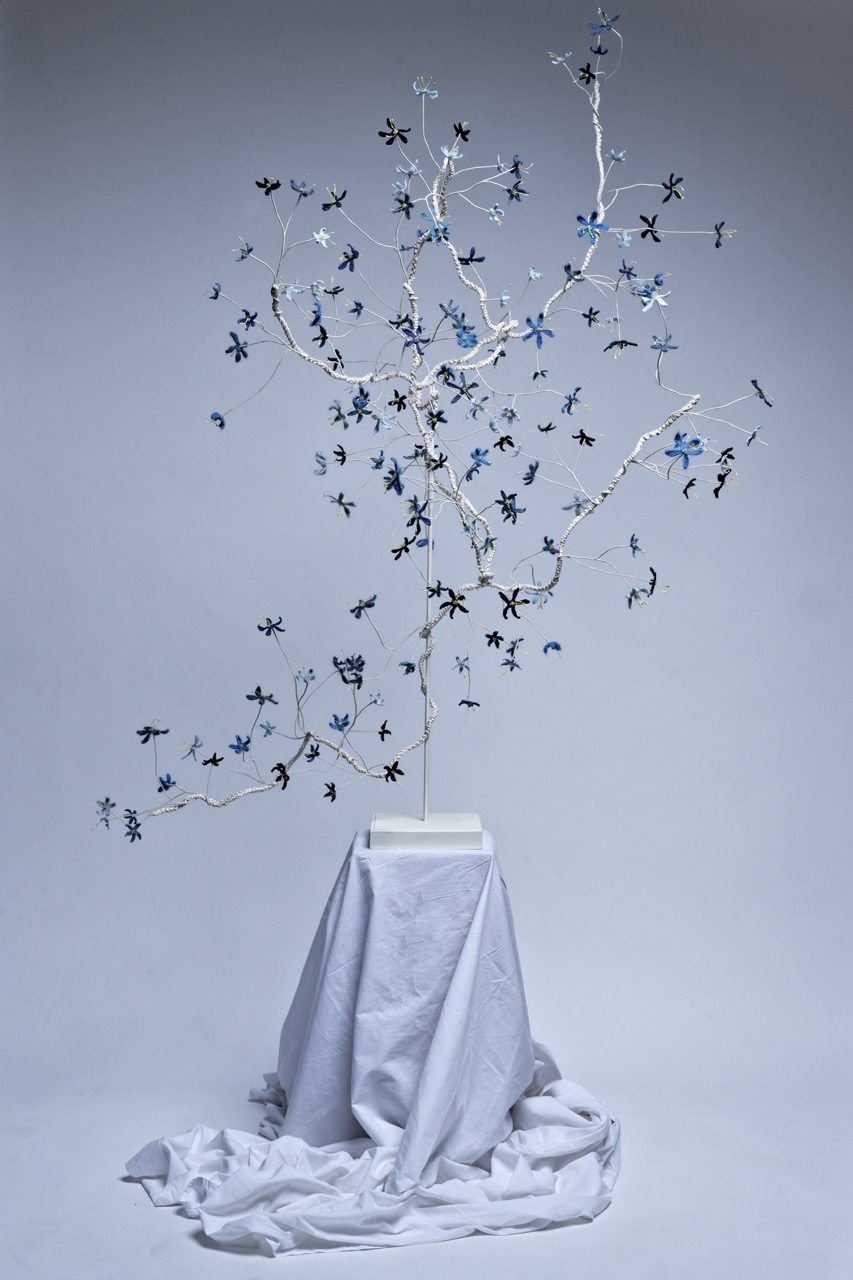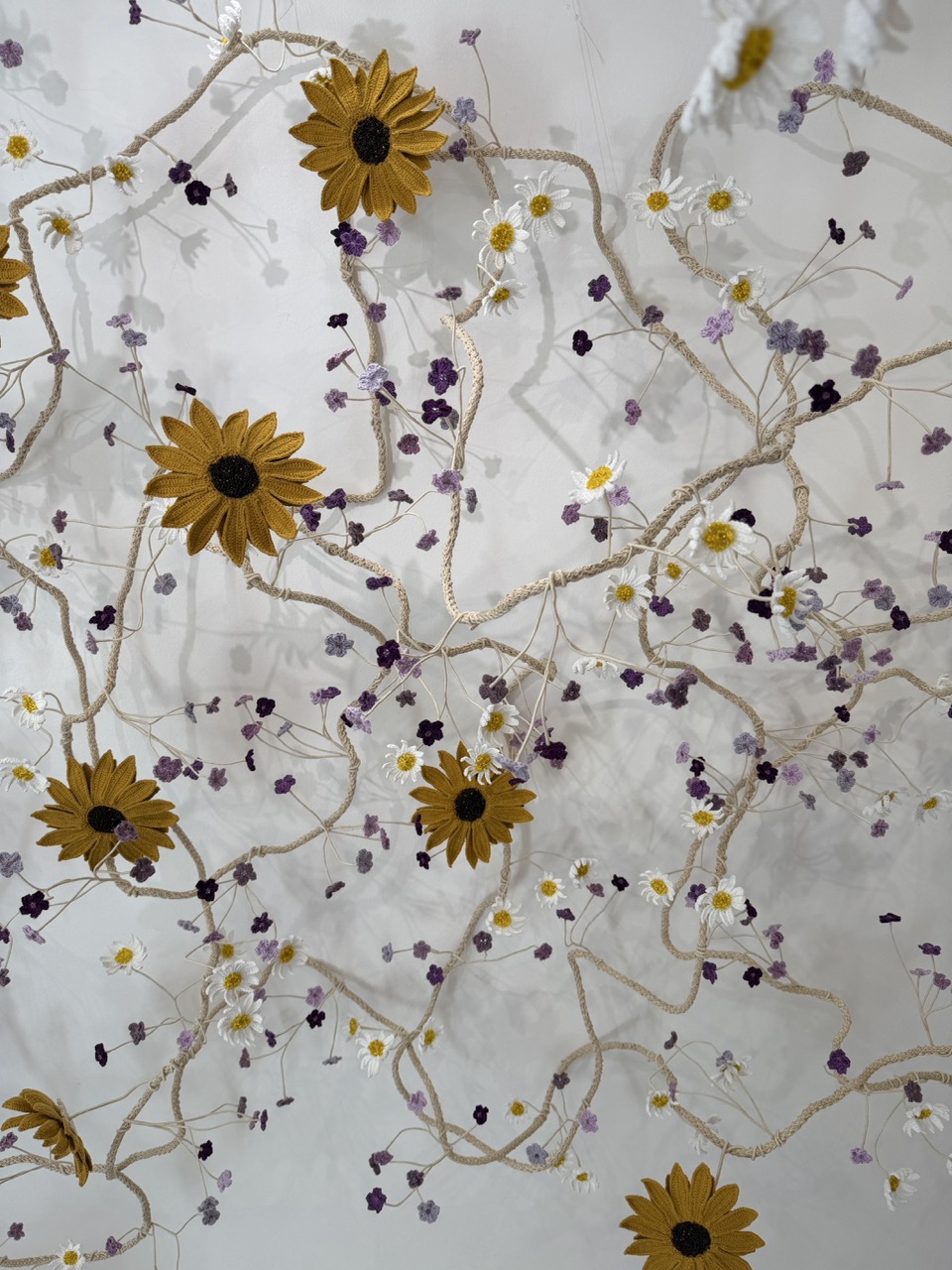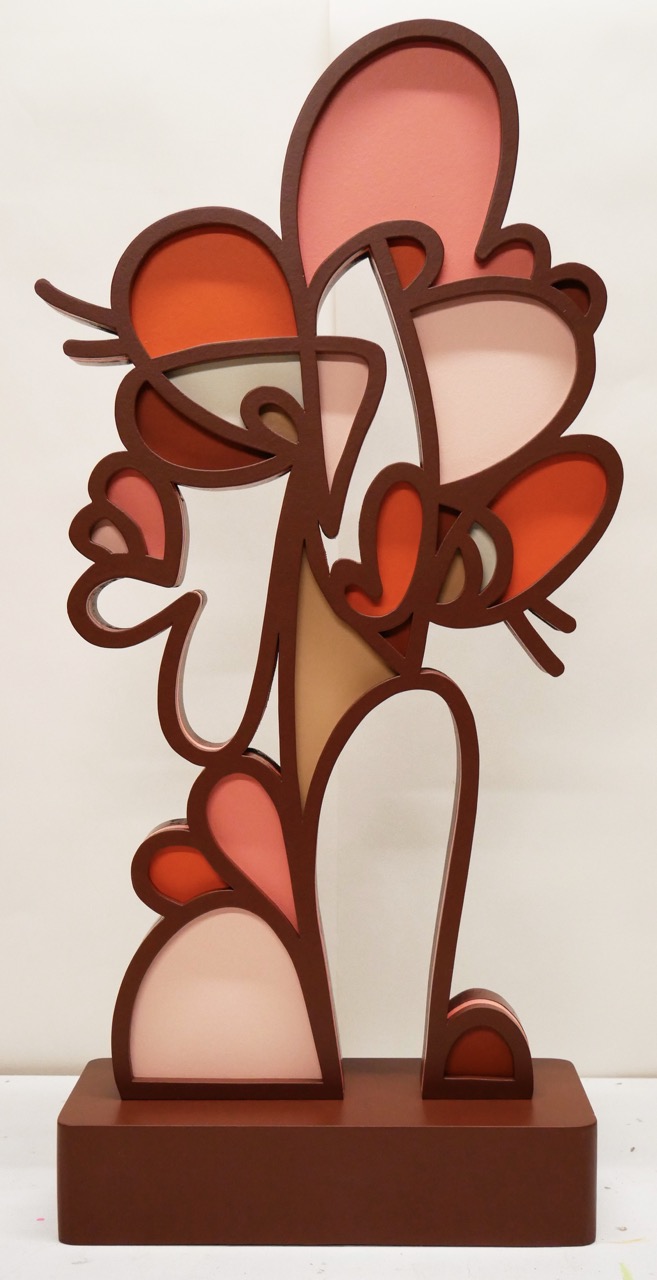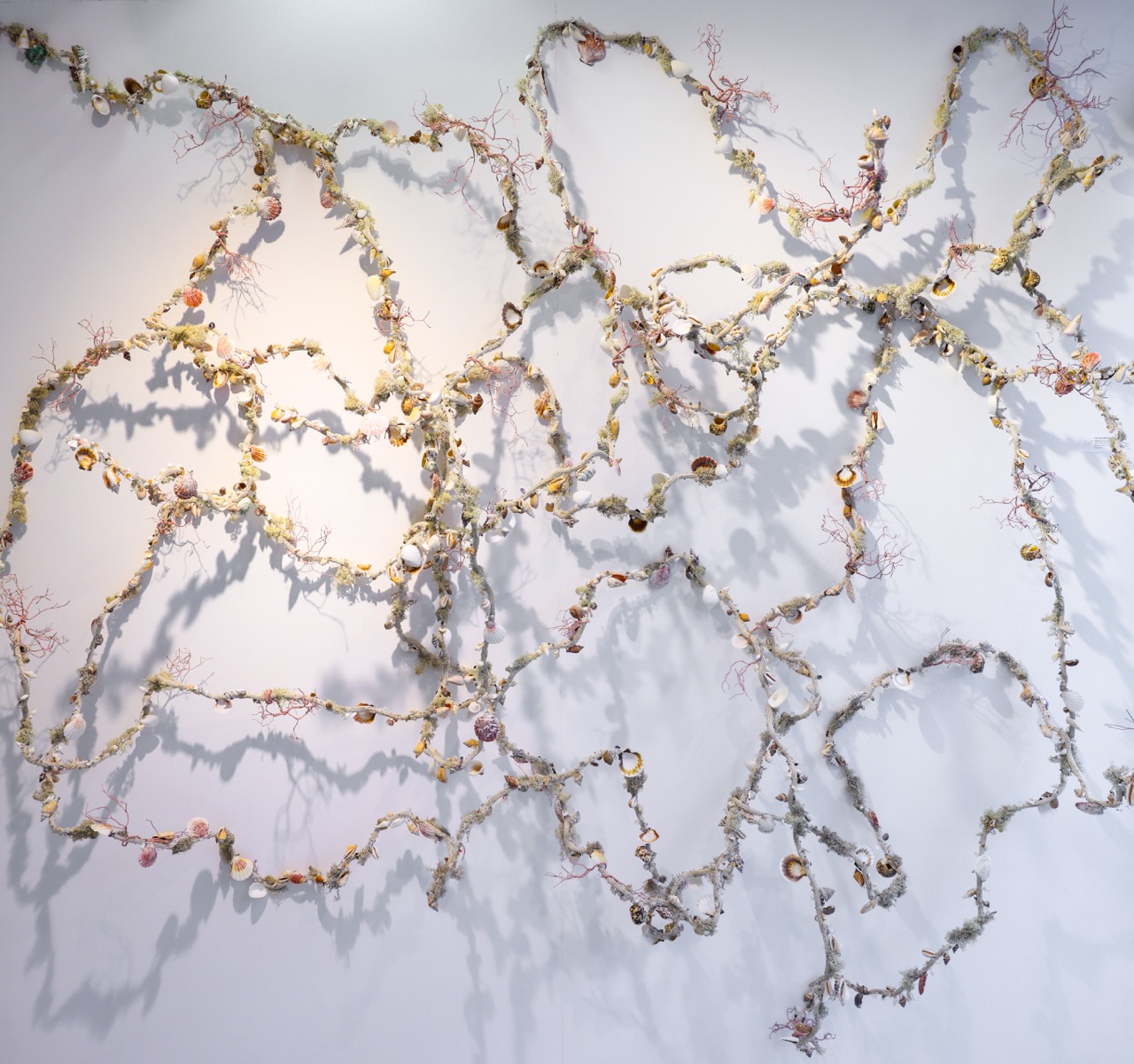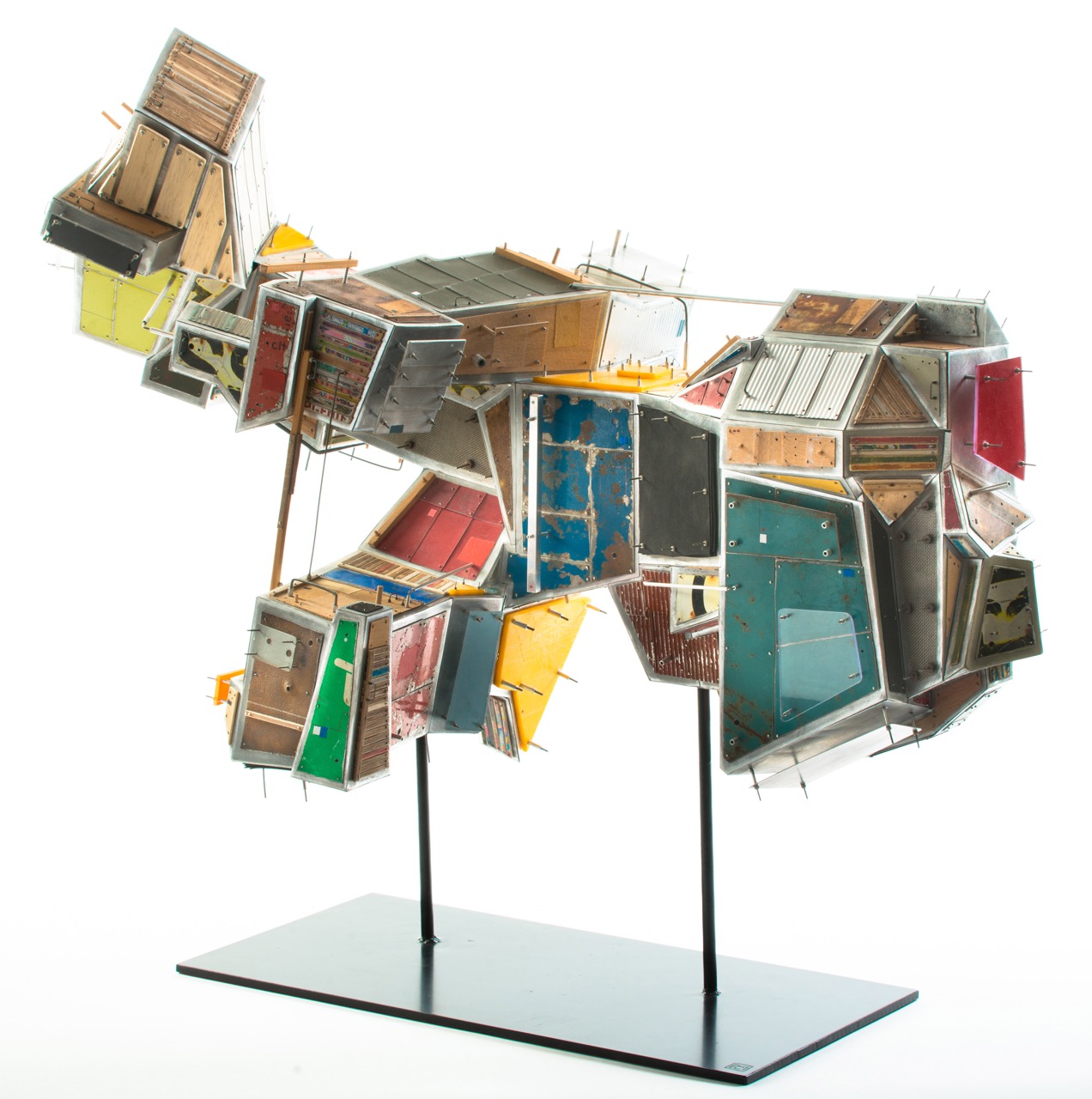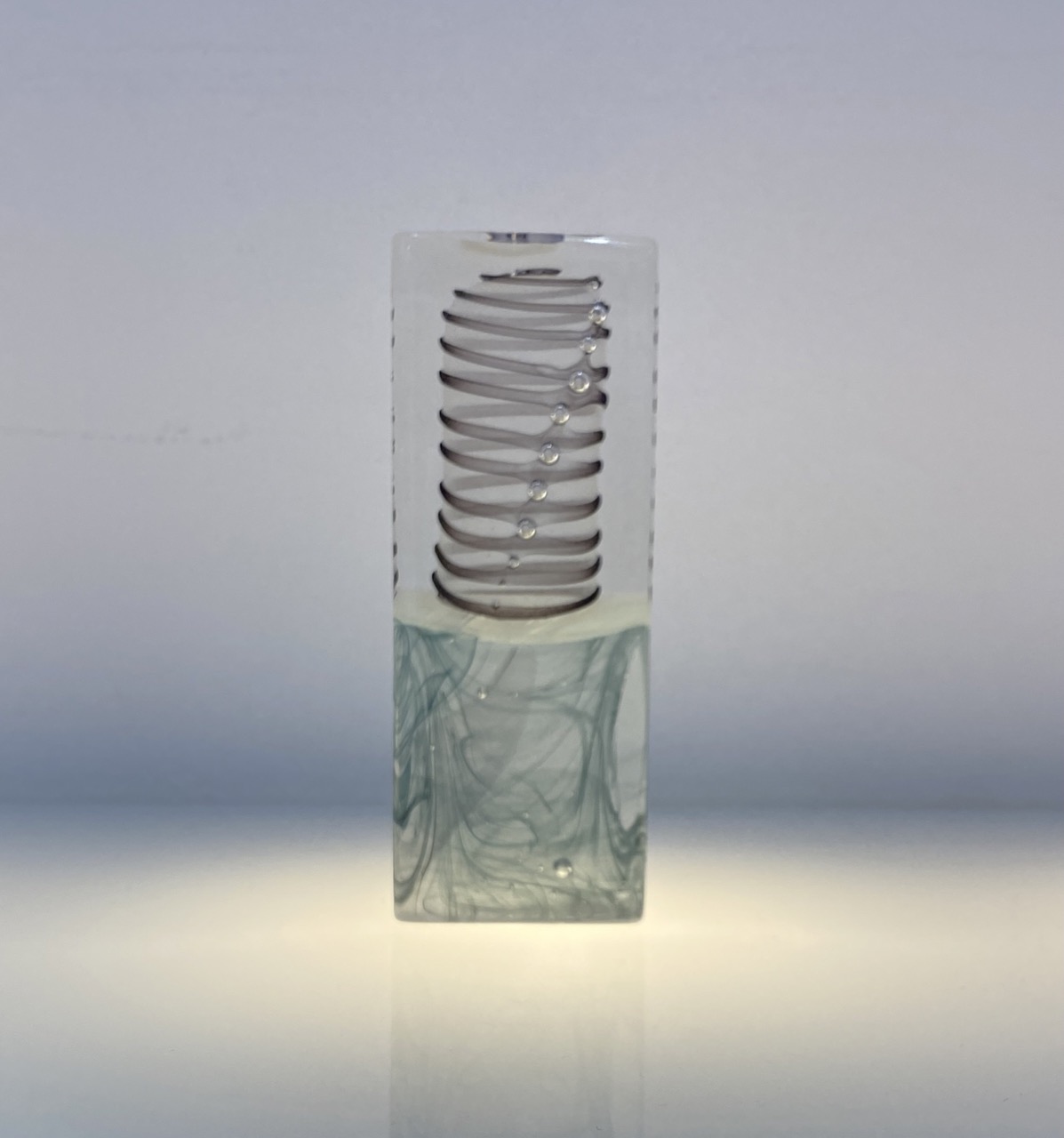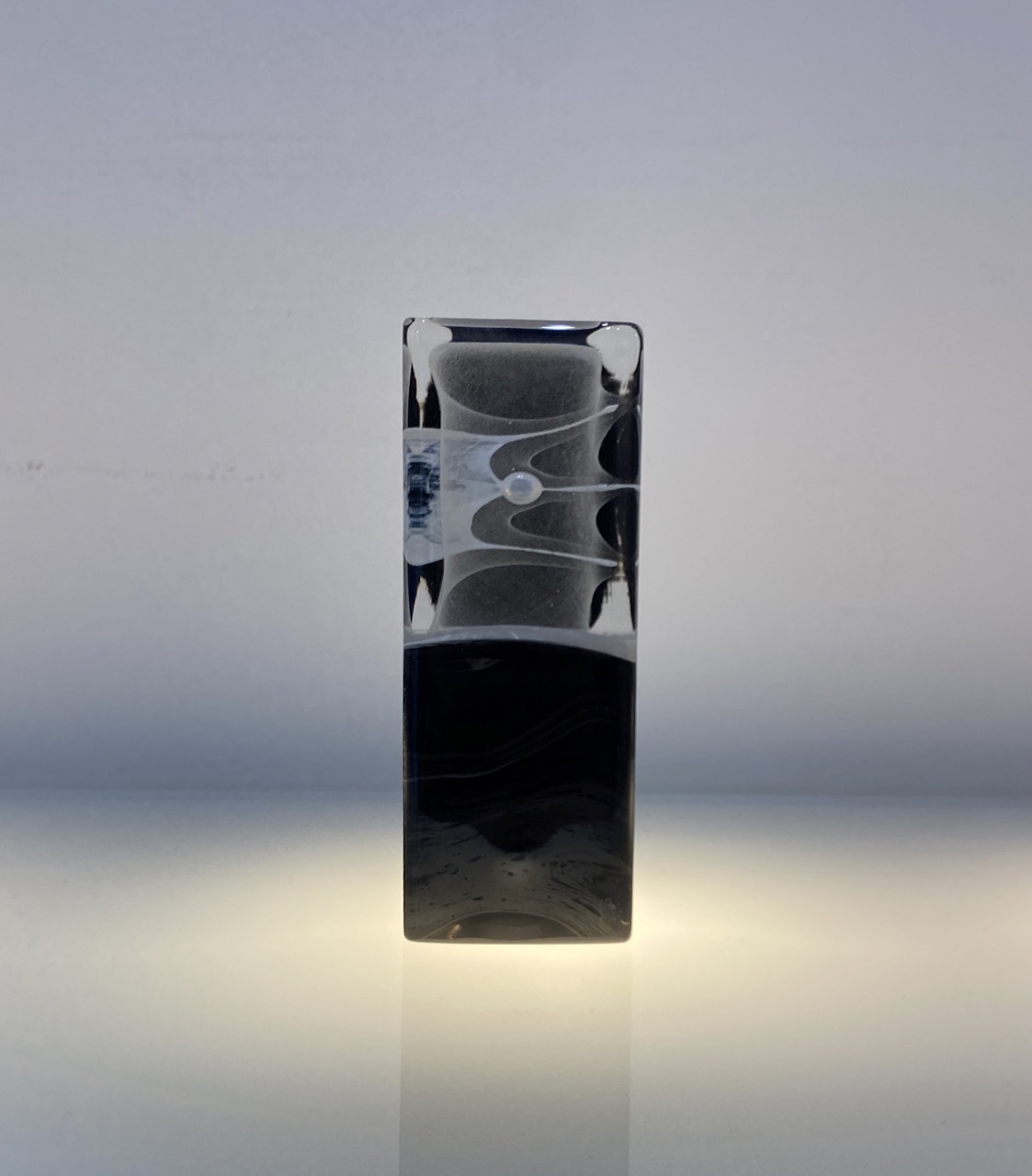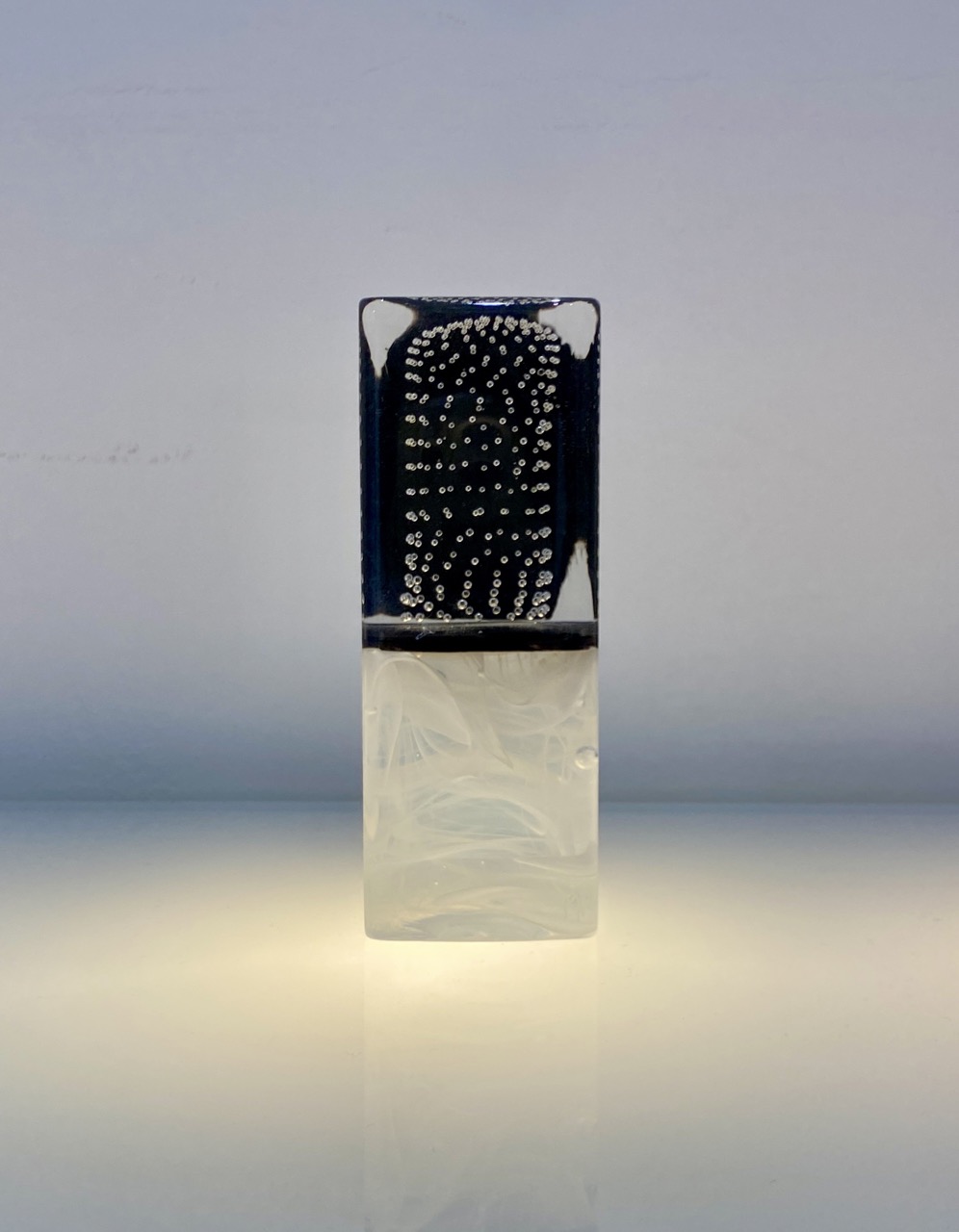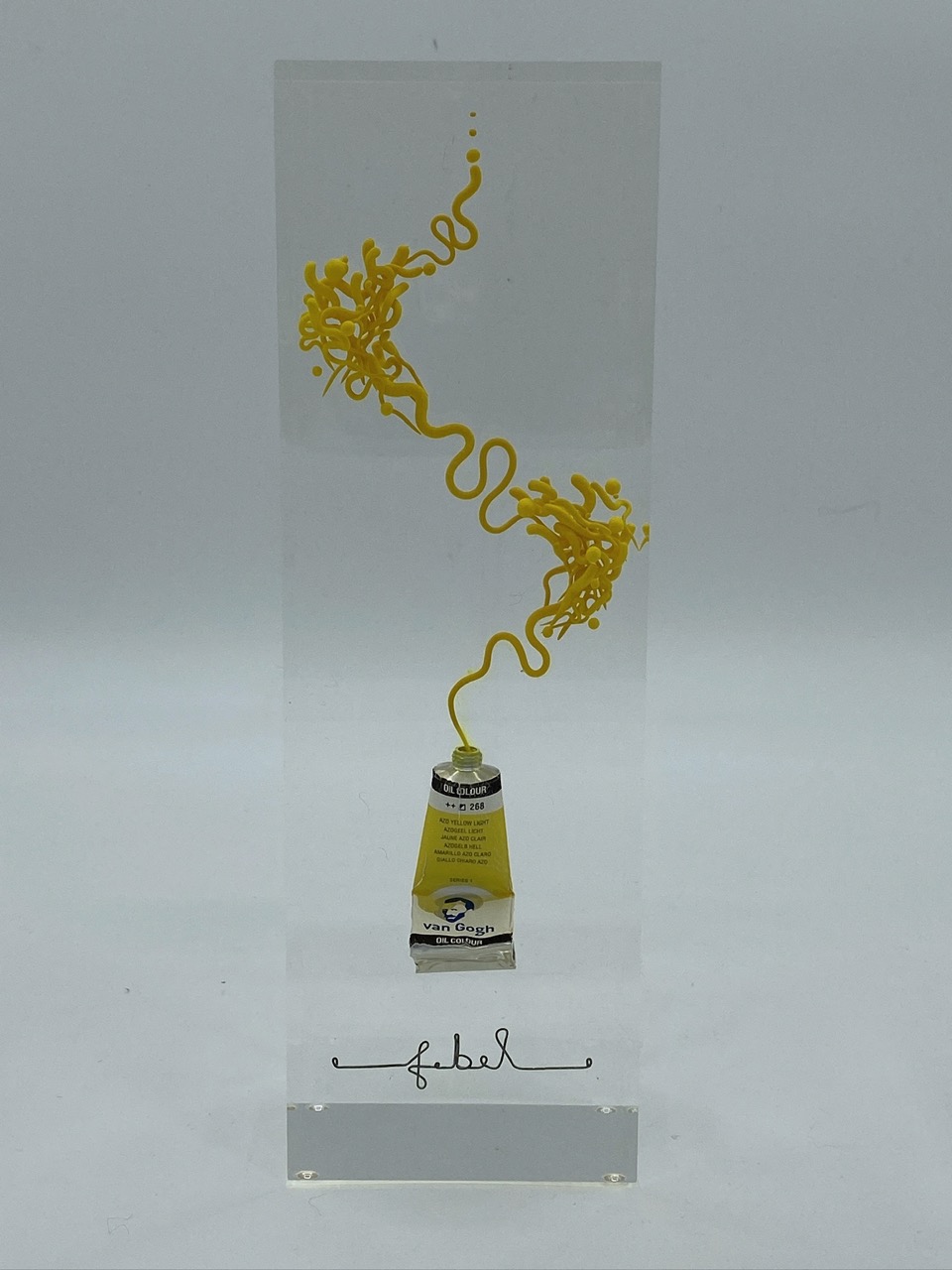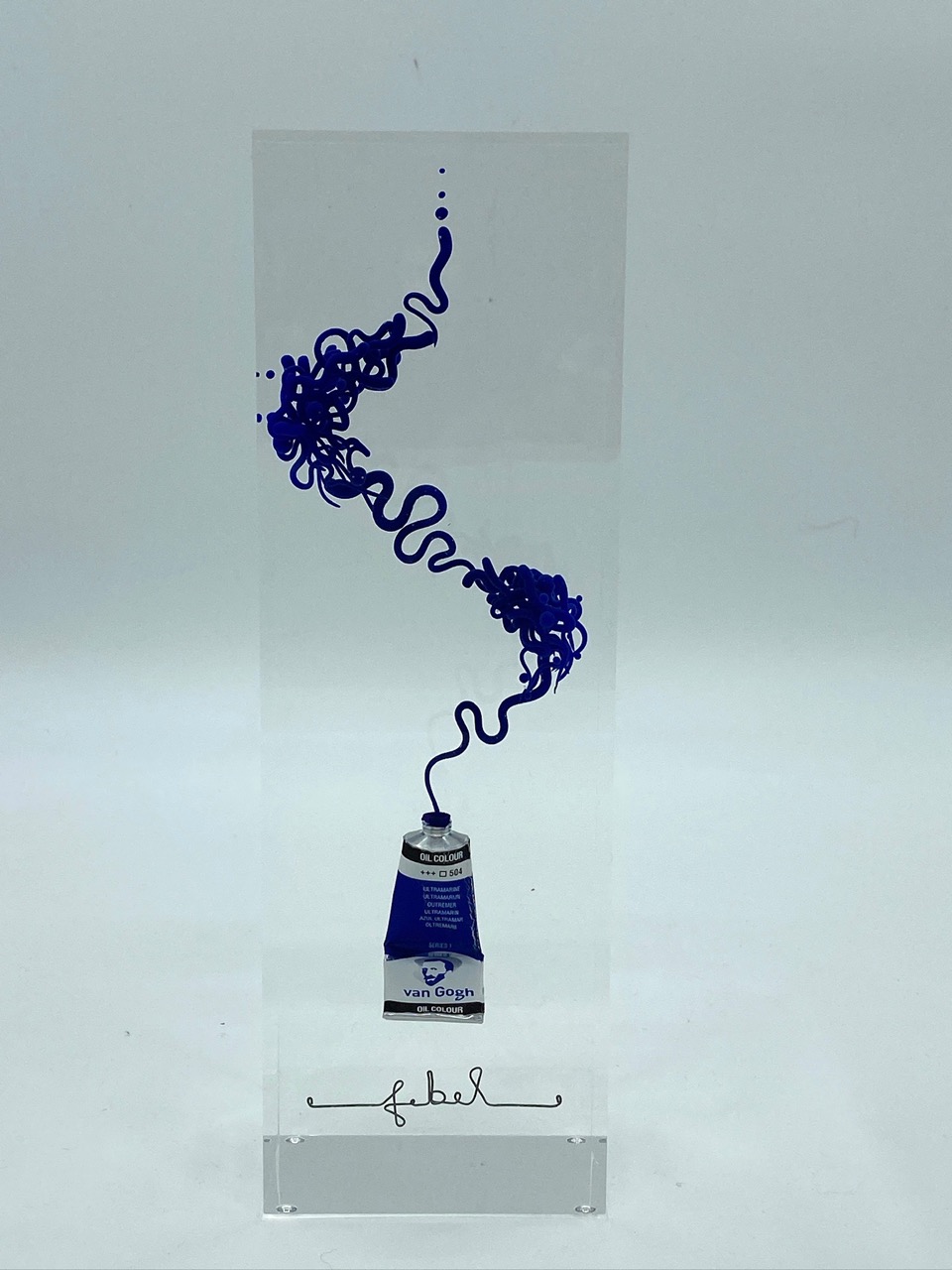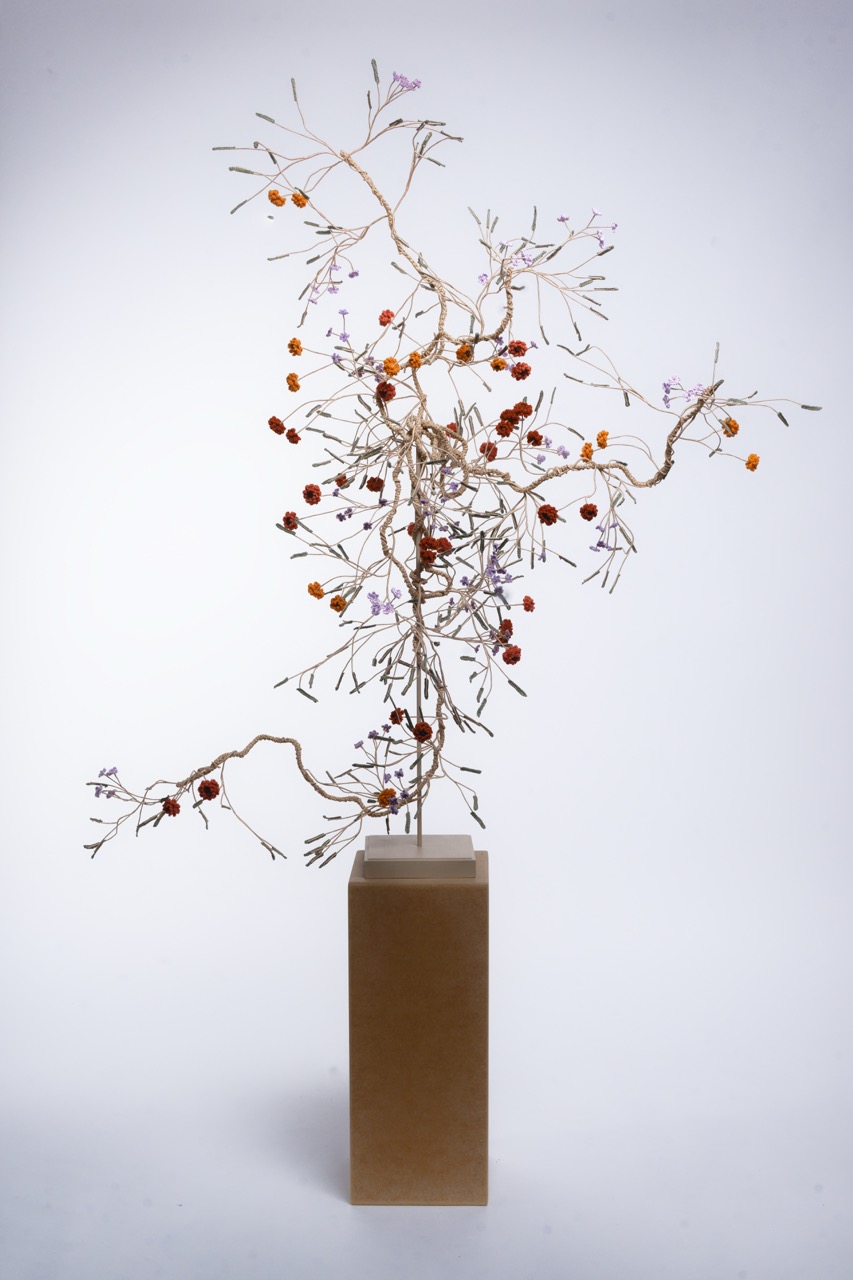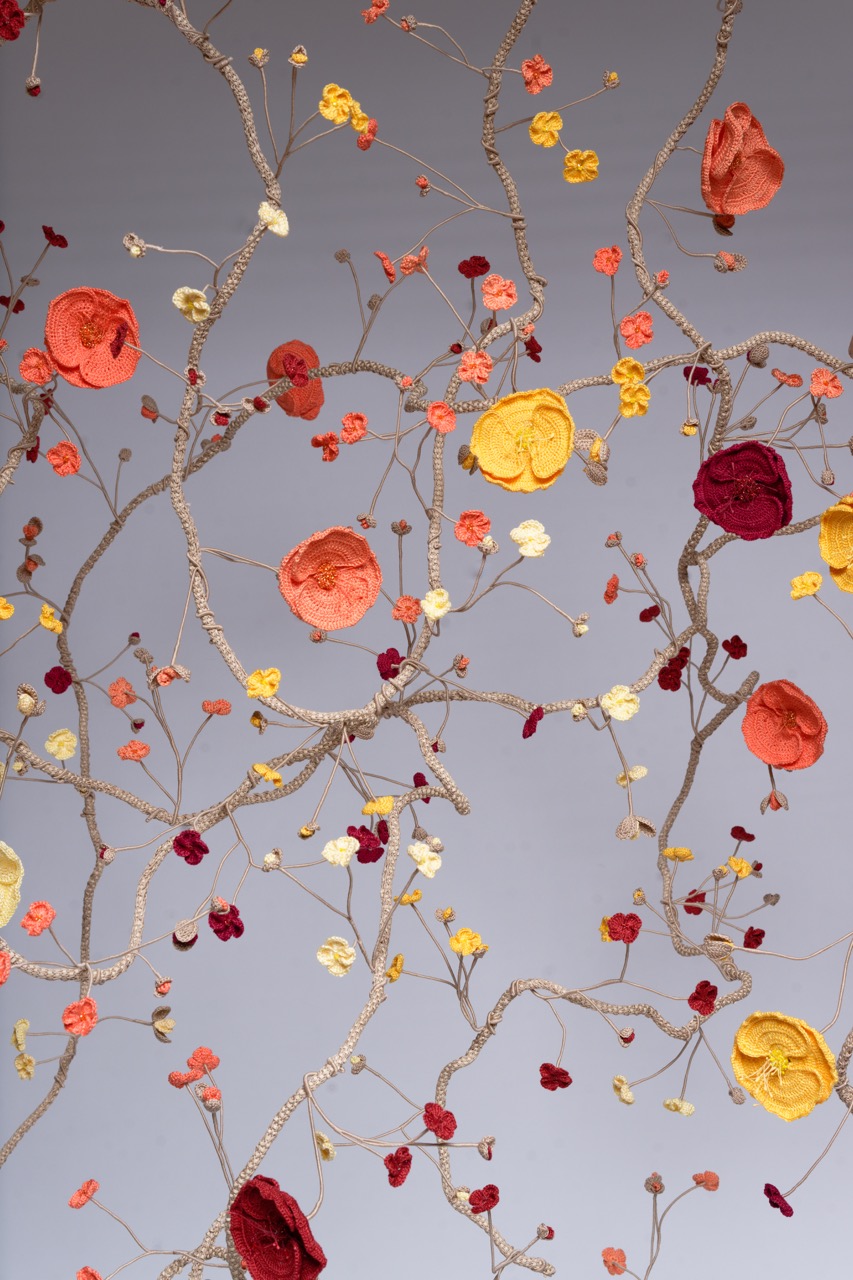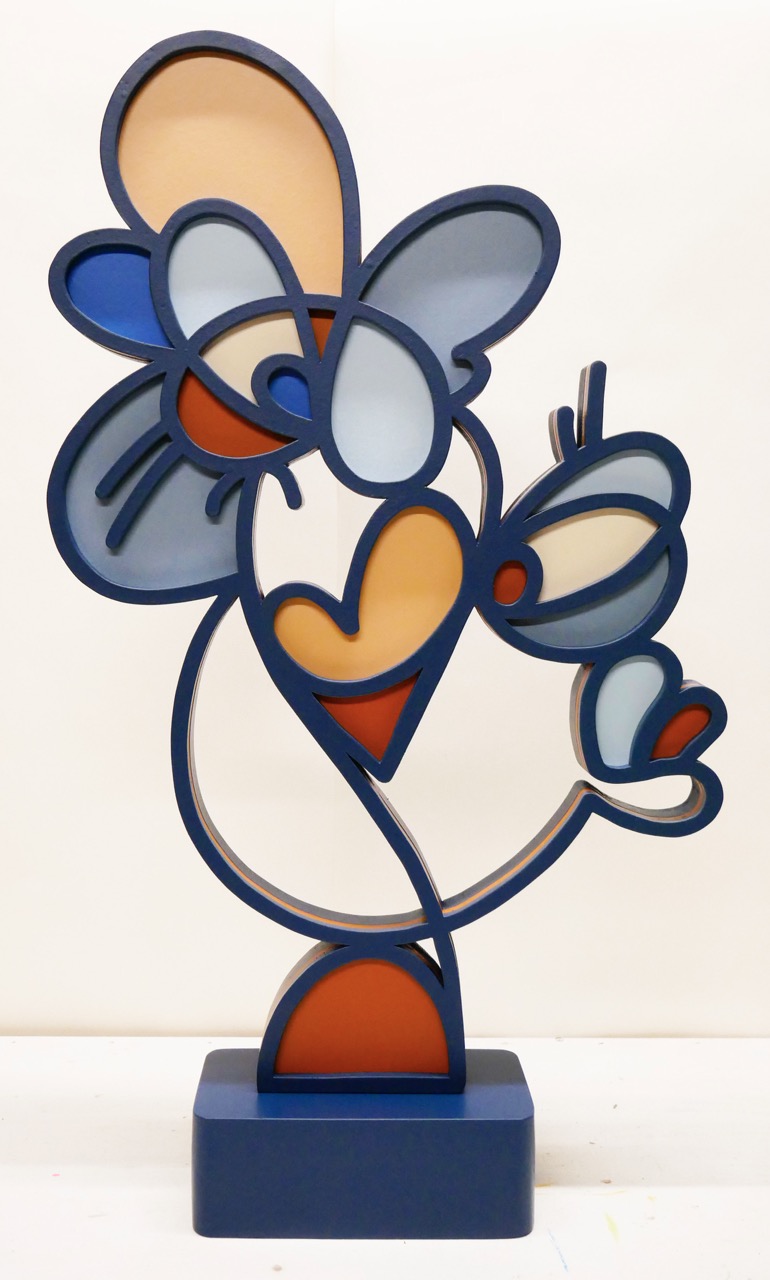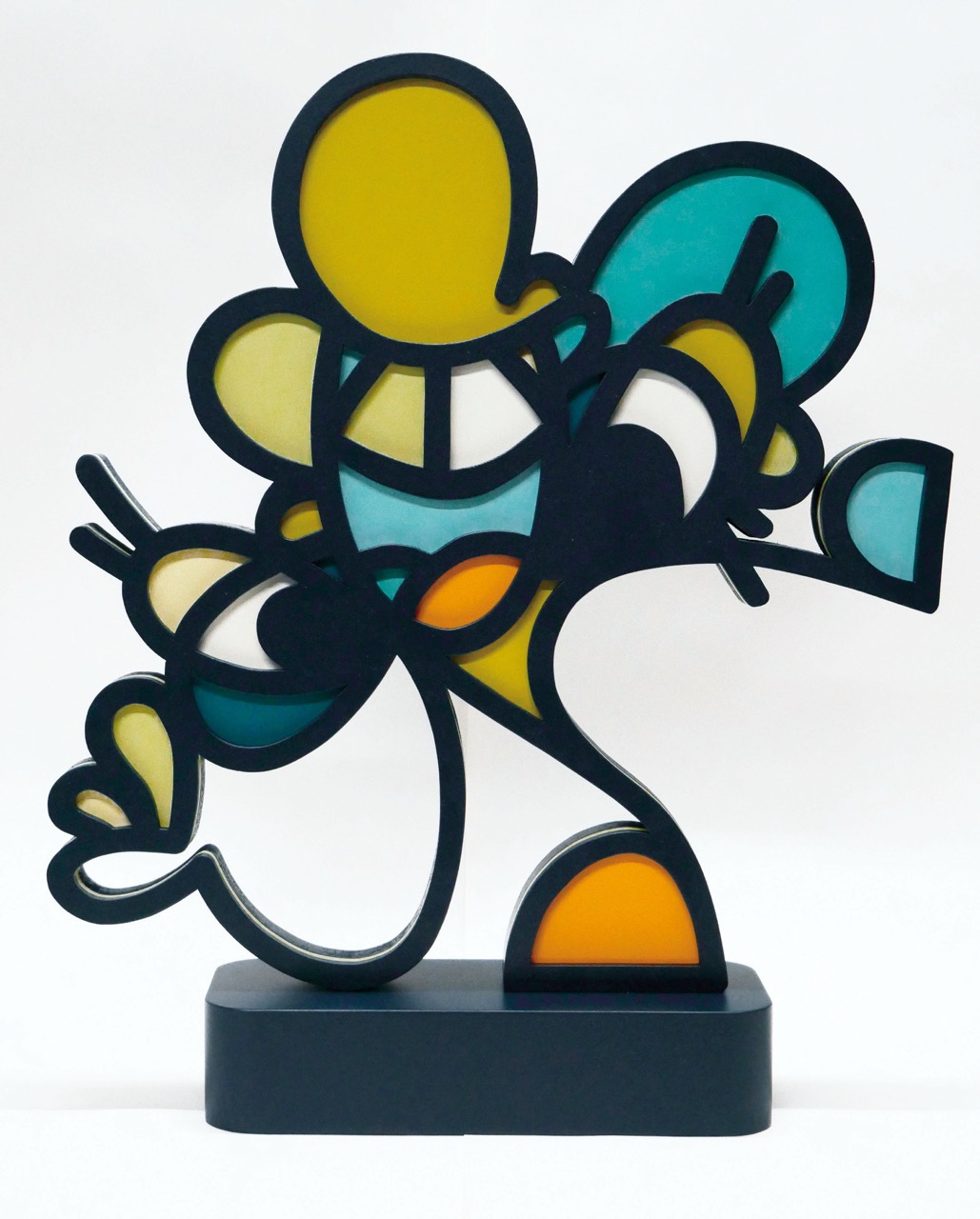
Are you interested in sculpture and would like to buy one? Explore the different styles of sculpture thanks to a vast selection created by talented artists. The gallery exhibits sculptures created using a variety of techniques, including glass sculpture, metal sculpture, resin sculpture, synthetic crystal sculpture and other heterogeneous materials. They embody a variety of styles, including abstract, figurative, street art and pop art. Find and buy these works directly on our website or in our art gallery.
The history of sculpture is as old as that of mankind, evolving with civilizations and cultures, reflecting religious beliefs, aesthetic ideals and technical innovations. Here's an overview of the major stages in the history of sculpture:
Prehistory: The earliest known sculptures date back to prehistoric times, such as the Paleolithic Venuses, small female figurines symbolizing fertility, found in various parts of Europe. Animal sculptures carved in bone or stone also date from this period.
Antiquity :
Middle Ages: During this period, sculpture focused primarily on religious art, particularly in churches and cathedrals. The Romanesque style favored the stylization of human and animal forms, while the later Gothic style sought to represent more dynamism and naturalism. The sculpted portals of Gothic cathedrals such as Chartres and Reims are striking examples of medieval sacred art.
Renaissance (15th - 16th century): The Renaissance marked a rediscovery of classical forms and a return to the study of human anatomy. Michelangelo is one of the most emblematic figures of this period, with works such as the David and the sculptures in the Medici tombs. This period restored sculpture to a central position in art, combining technical mastery with the quest for ideal beauty.
Baroque and Rococo (17th - 18th centuries): Baroque introduced dramatic sculptures, full of movement, emotion and theatricality. Gian Lorenzo Bernini was one of the most influential sculptors of this period, with works such as The Ecstasy of Saint Teresa. The lighter, more decorative Rococo style then dominated the 18th century, especially in the decorative arts and ornamental sculpture.
19th century: This period saw a diversification of styles with Neoclassicism, inspired by the ideals of Antiquity, exemplified by sculptors such as Antonio Canova. In contrast, the Romantic school explored more expressive and emotional themes, as in François Rude's Le Départ des Volontaires sur l'Arc de triomphe. The arrival of realism, with artists such as Auguste Rodin, revolutionized sculpture through a quest for truth in the representation of the human form, as in his most famous work, The Thinker.
20th century: 20th-century sculpture is marked by the emergence of abstraction and new forms. Pablo Picasso and Constantin Brancusi pushed back the limits of figurative representation. Cubism and the modernist movements transformed sculpture by exploring geometric and symbolic forms. Artists such as Alexander Calder introduced mobile sculptures, while Henry Moore became known for his organic, monumental forms.
Contemporary sculpture: Today, sculpture uses a variety of materials, including metal, plastic, light and even digital technologies. Conceptual art and installations have become popular forms of contemporary sculpture. Artists such as Anish Kapoor and Jeff Koons play with scale and materials to question perception, space and popular culture.
Conclusion: The history of sculpture is that of a quest for forms, symbols and emotions, adapted to the technical, religious and philosophical evolutions of each era. Today, it continues to evolve, incorporating new technologies and contemporary issues while drawing on centuries of tradition.
In sculpture, there are important distinctions between a single piece, an original sculpture and a multiple. Here are the main differences:
1. Single piece :
2. Original sculpture :
3. Multiple :
In a nutshell:
Each category has a different artistic and financial value, depending on its rarity and the artist's level of involvement in the creative process.
We're passionate about art and sculpture, and it's an honor to collaborate with several sculptors. Each is carefully selected for his or her talent, world and degree of technical mastery. Explore our catalog of sculptures available for sale and find the piece that's right for you!
Once you've acquired a sculpture, you need to know how to show it off in your home. There are several options for doing so.
Enhancing a painting also involves :
|
Pay with Alma in 2, 3 or 4 instalments up to €2,000
|